

 Tiếng Việt
 中文 (中国)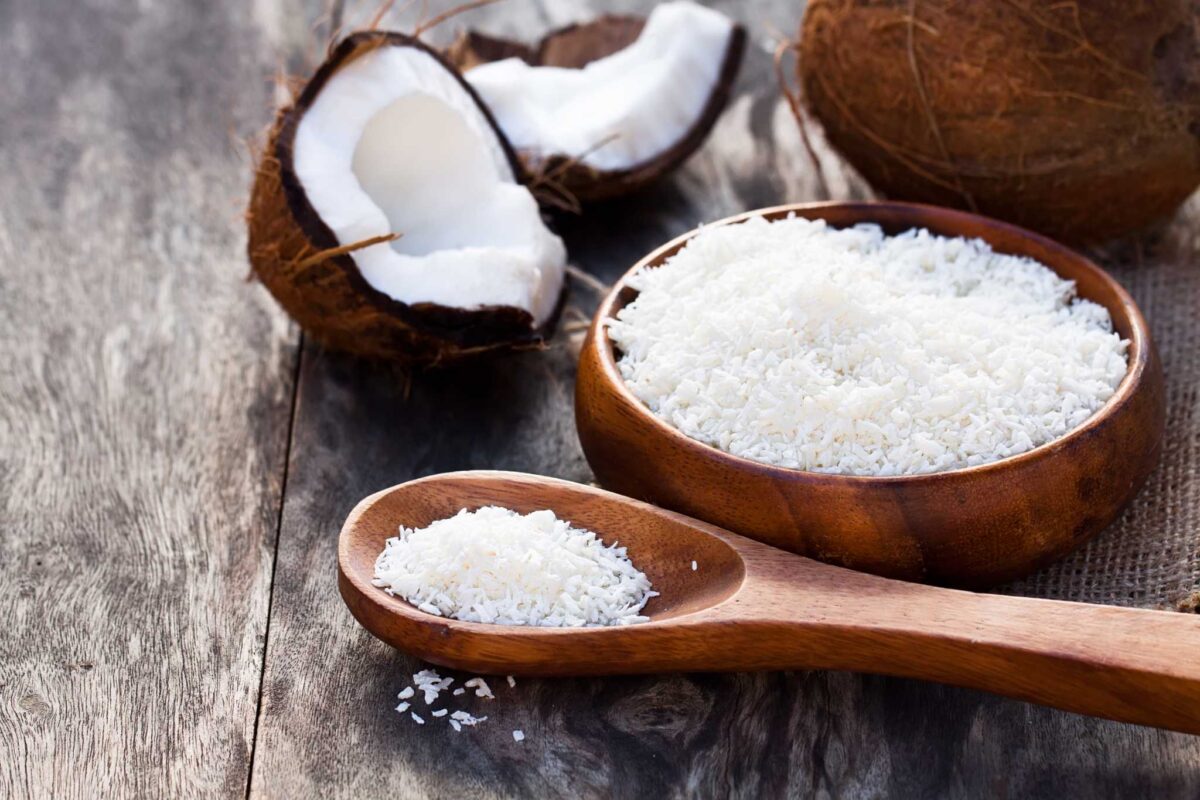
Import desiccated coconut powder is no longer a simple commodity trade. As food safety regulations tighten and buyers demand consistent quality, importers must understand sourcing origins, production standards, microbiological risks, logistics, and long-term supply stability.
A lack of technical knowledge often leads to rejected shipments, production issues, or financial loss.
This in-depth guide explains how to import desiccated coconut powder successfully, what challenges global buyers face, and how to reduce risks when sourcing from major coconut-exporting countries such as Vietnam.
Understanding Desiccated Coconut Powder in Global Trade
Desiccated coconut powder is produced by grating, drying, and milling fresh coconut kernel until moisture is reduced to safe storage levels (typically ≤3%). Unlike coarse desiccated coconut, powder form requires stricter control due to its higher surface area and moisture sensitivity.
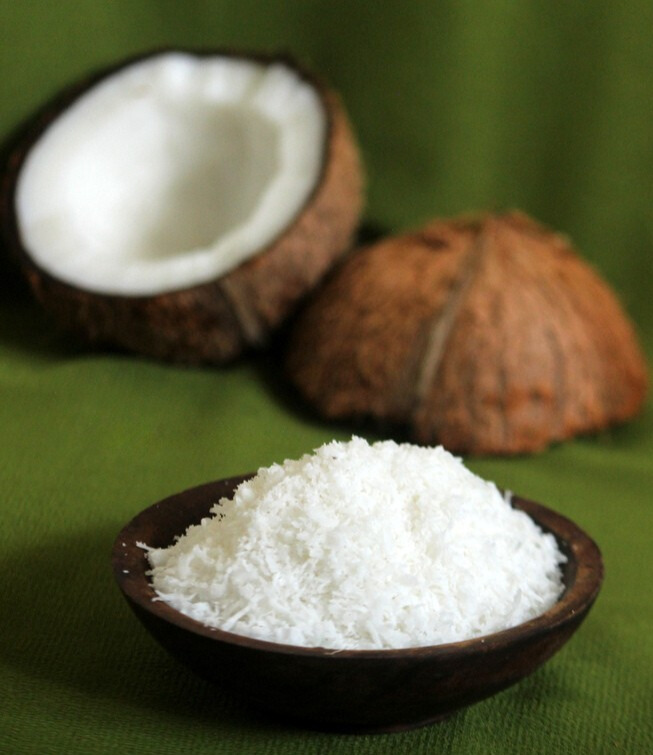
Key functional characteristics importers must consider:
-
Moisture stability
-
Fat oxidation risk
-
Microbiological safety
-
Particle size uniformity
-
Shelf life under varying climates
These factors directly affect performance in bakery, beverages, confectionery, and instant food applications.
Why Import Desiccated Coconut Powder Instead of Producing Locally?
Access to Origin-Level Raw Materials
Coconut-producing countries offer:
-
Fresher raw coconuts
-
Higher oil content
-
Lower agricultural input costs
This leads to better aroma, color, and consistency compared to reprocessed or blended local alternatives.
Economies of Scale
Large factories in exporting countries operate:
-
Continuous drying systems
-
Automated sieving and grading
-
High-volume packaging lines
This results in lower unit cost and more stable supply for importers.
Export-Oriented Quality Systems
Established exporters design their production specifically to meet EU, US, and Asian import regulations, reducing compliance risks.
Major Exporting Countries for Desiccated Coconut Powder
Vietnam

Vietnam has emerged as a preferred sourcing origin due to:
-
Large coconut-growing regions (Ben Tre, Tra Vinh)
-
Modern processing plants
-
Competitive pricing
-
Shorter lead times compared to traditional exporters
Vietnamese suppliers increasingly focus on custom specifications and private-label solutions for international buyers.
Sri Lanka
Known for premium quality and long export history, but:
-
Higher pricing
-
Longer lead times
-
Limited flexibility on customization
Indonesia & Philippines
High production volume, but quality consistency varies significantly depending on supplier and factory standards.
Grades and Specifications Importers Must Understand
| Parameter | Industry Standard | Why It Matters |
|---|---|---|
| Moisture | ≤ 3% | Prevents mold growth |
| Fat Content | 40–65% | Affects flavor & texture |
| Particle Size | Fine to extra-fine | Impacts solubility & mouthfeel |
| Color | Natural white | Visual appeal |
| TPC | Low microbial load | Food safety compliance |
| Shelf Life | 12 months | Inventory planning |
Understanding these specifications helps importers avoid disputes and quality claims.
Food Safety and Regulatory Requirements for Import

Mandatory Certifications
Reputable exporters operate under:
-
HACCP
-
ISO 22000
-
GMP-aligned processing
These systems control:
-
Cross-contamination
-
Moisture exposure
-
Foreign matter risks
Microbiological Standards
Import desiccated coconut powder must comply with limits for:
-
Salmonella (Absent)
-
E. coli
-
Yeast & mold
-
Total plate count
Powder products are higher-risk than flakes due to surface exposure.
3. Import Documentation
Essential documents include:
-
Commercial invoice
-
Packing list
-
Certificate of origin
-
Phytosanitary certificate
-
Certificate of analysis (COA)
Incomplete documentation is one of the top causes of port delays.
Logistics and Shipping Risks in Coconut Powder Import
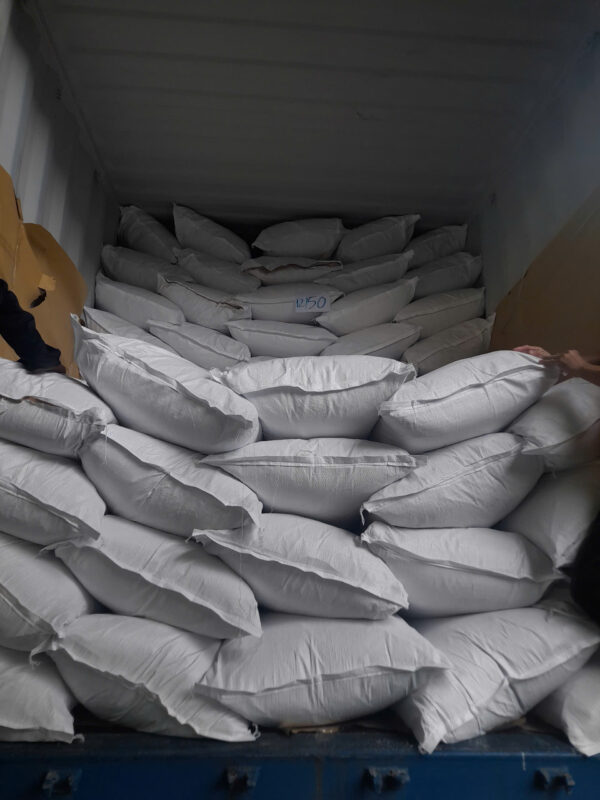
Moisture During Transit
Coconut powder easily absorbs humidity. Risks include:
-
Condensation inside containers
-
Temperature changes during transit
-
Long dwell time at ports
Best Practices
-
Multi-layer kraft bags with PE liners
-
Proper container ventilation
-
Desiccant usage when required
-
Dry container inspection before loading
Cost Structure When You Import Desiccated Coconut Powder
Import pricing is influenced by:
-
Raw coconut prices
-
Processing yield
-
Labor costs
-
Freight rates
-
Seasonal availability
Smart buyers negotiate:
-
Long-term supply contracts
-
Volume-based pricing
-
Shipment scheduling to avoid peak seasons
Common Mistakes Importers Make
-
Choosing suppliers based on price only
-
Not testing samples thoroughly
-
Ignoring moisture and packaging details
-
Overlooking factory capacity limits
-
Failing to align specifications contractually
These mistakes often lead to rejected shipments or inconsistent production results.
Why VIA – Vietnam International Agriculture Is a Reliable Partner
VIA Co., Ltd supports global buyers looking to import desiccated coconut powder with reduced risk and long-term stability.
Origin-Level Sourcing
Direct access to coconut farms in Vietnam’s Mekong Delta ensures consistent raw material quality.
Strict Processing Control

Modern drying and milling systems maintain:
-
Low moisture
-
Stable fat content
-
Uniform particle size
Clear Specifications & Transparency
Each shipment includes full technical documentation and batch traceability.
Export-Optimized Packaging
Packaging designed specifically for long-distance shipping and humid climates.
Scalable Supply Capacity
VIA supports both trial orders and large-volume contracts without compromising quality.
Conclusion
To import desiccated coconut powder successfully, buyers must look beyond price and understand production, safety, logistics, and supplier reliability. With rising global demand and tighter regulations, working with an experienced exporter like VIA Co., Ltd helps minimize risk while ensuring consistent, export-grade quality.
- Email: admin@vietnam-coconut.com
- Tel / WhatsApp: +84931442377
- LinkedIn: Vietnam Coconut
