

 Tiếng Việt
 中文 (中国)
Cocopeat is becoming an essential solution in modern agriculture as global farming shifts toward more sustainable and efficient practices. Growers are increasingly turning to alternative growing media that reduce environmental impact while maintaining high productivity.
This coconut-based material has gained popularity in horticulture, hydroponic farming, greenhouse cultivation, and nursery operations due to its excellent water retention, aeration, and eco-friendly properties. Unlike traditional soil or peat moss, it is renewable, biodegradable, and produced from agricultural by-products.
Countries with strong coconut industries—such as Vietnam, India, and Sri Lanka—play a crucial role in supplying this material to global markets. Among them, Vietnam has emerged as a reliable source of high-quality coconut growing media, supported by abundant raw materials and modern processing capabilities.
What Is Cocopeat?
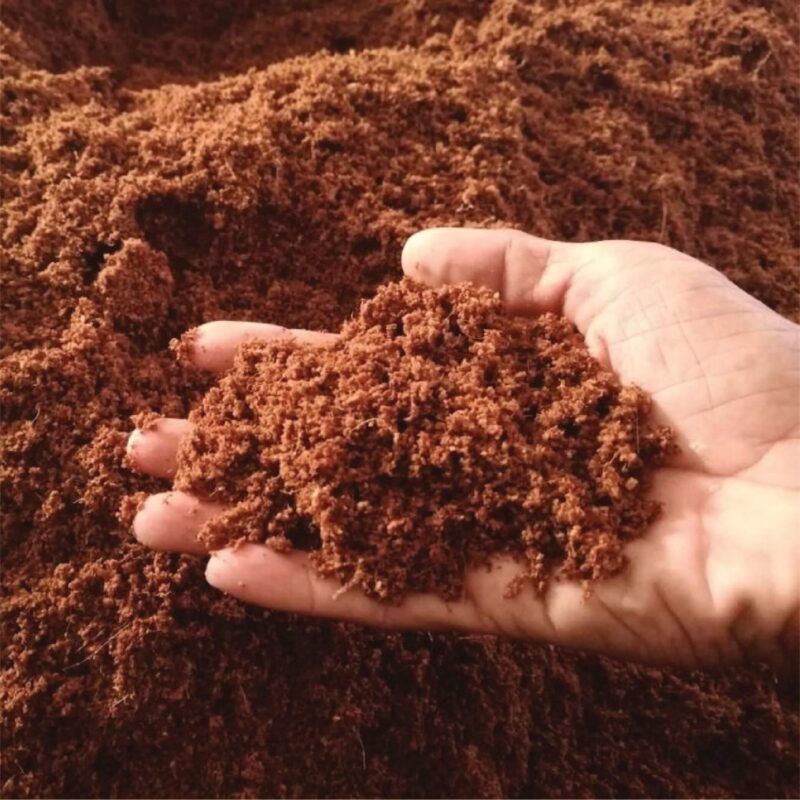
Cocopeat, also known as coconut coir pith, is a fine, spongy material obtained from processing coconut husk. When coir fiber is extracted, the remaining dust-like particles are collected, cleaned, and prepared for agricultural use.
This material has a texture similar to peat moss but offers a more sustainable alternative. It is widely used as a soil substitute or conditioner in various farming applications.
In commercial distribution, it is typically compressed into blocks, bricks, or grow bags for easy transport and storage. Once water is added, the compressed form expands significantly, making it practical for large-scale use.
How Coconut Coir Pith Is Produced
The production process involves several steps to ensure quality and consistency.
1. Husk Processing
After harvesting, coconut husks are separated and processed to extract fiber. The remaining pith becomes the raw material.
2. Drying
The material is dried to reduce moisture content and prepare it for further treatment.
3. Washing
It is thoroughly washed to remove salts and impurities that may affect plant growth.
4. Screening
Particles are screened to achieve uniform texture and remove debris.
5. Buffering
In some cases, buffering is applied to stabilize chemical properties and improve performance.
6. Compression
Finally, the material is compressed into export-friendly forms such as blocks or briquettes.
Key Properties of This Growing Medium
High Water Retention
One of the most valuable characteristics is its ability to hold moisture efficiently, helping plants stay hydrated longer.
Good Aeration
Despite retaining water, the structure still allows airflow, supporting healthy root systems.
Neutral pH
The material typically has a near-neutral pH, making it suitable for a wide range of crops.
Lightweight Structure
Compared to soil, it is significantly lighter, reducing transportation and handling costs.
Sustainable Resource
Derived from coconut by-products, it supports environmentally responsible farming practices.
Types of Cocopeat Products
Cocopeat Blocks
Compressed blocks are widely used in export markets due to their compact size and expansion capability.
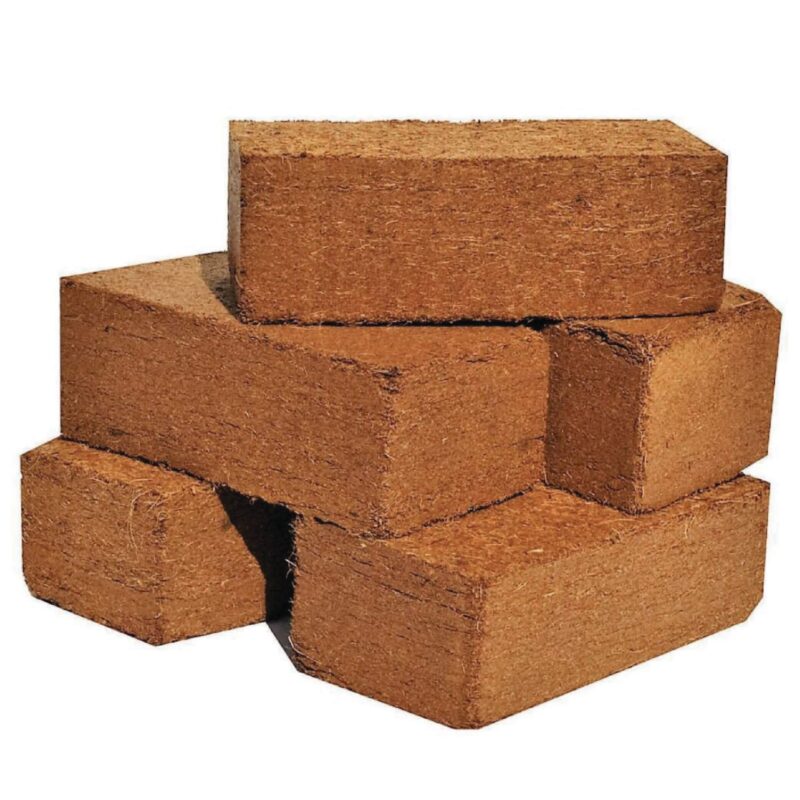
Briquettes
Smaller units are suitable for retail and small-scale growers.
Loose Material
Ready-to-use form without expansion, often used in local markets.
Grow Bags
Pre-filled bags are commonly used in greenhouse cultivation for crops like tomatoes and strawberries.
Benefits in Agriculture
Improved Root Development
The loose and airy structure allows roots to expand freely and grow stronger.
Efficient Water Use
Its moisture retention capacity helps reduce irrigation frequency.
Better Soil Structure
When mixed with soil, it improves aeration and prevents compaction.
Reduced Disease Risk
Properly processed material is typically free from soil-borne pathogens.
Environmental Advantage
It provides a renewable alternative to peat-based growing media.
Applications in Modern Farming
Hydroponic Systems
Widely used as a substrate that supports roots while allowing nutrient flow.
Greenhouse Cultivation
Ideal for controlled environments where consistency is critical.
Seed Germination
Fine texture supports early plant development.
Potting Mixes
Commonly blended with soil and compost for improved performance.
Landscaping
Used for moisture retention and soil conditioning in outdoor projects.
Cocopeat vs Peat Moss
| Feature | Cocopeat | Peat Moss |
|---|---|---|
| Source | Coconut husk | Decomposed moss |
| Renewability | Renewable | Non-renewable |
| Environmental impact | Low | High |
| Water retention | High | High |
Due to sustainability concerns, many growers are switching to coconut-based alternatives.
Market Demand and Industry Trends
Sustainable Agriculture
Eco-friendly inputs are becoming a priority worldwide.
Hydroponic Growth
Soilless farming is expanding rapidly, increasing demand for reliable substrates.
Greenhouse Expansion
Commercial greenhouse operations continue to grow globally.
Vietnam as a Key Supplier of Cocopeat
Vietnam has established itself as a major exporter of coconut-based materials. Ben Tre province plays a central role, supplying large quantities of raw coconut husk.
With improved processing technologies and strict quality control, Vietnamese manufacturers are meeting international standards and serving global markets.
VIA – Trusted Supplier from Vietnam
VIA Co., Ltd (Vietnam International Agriculture) specializes in exporting high-quality coconut-derived growing media.
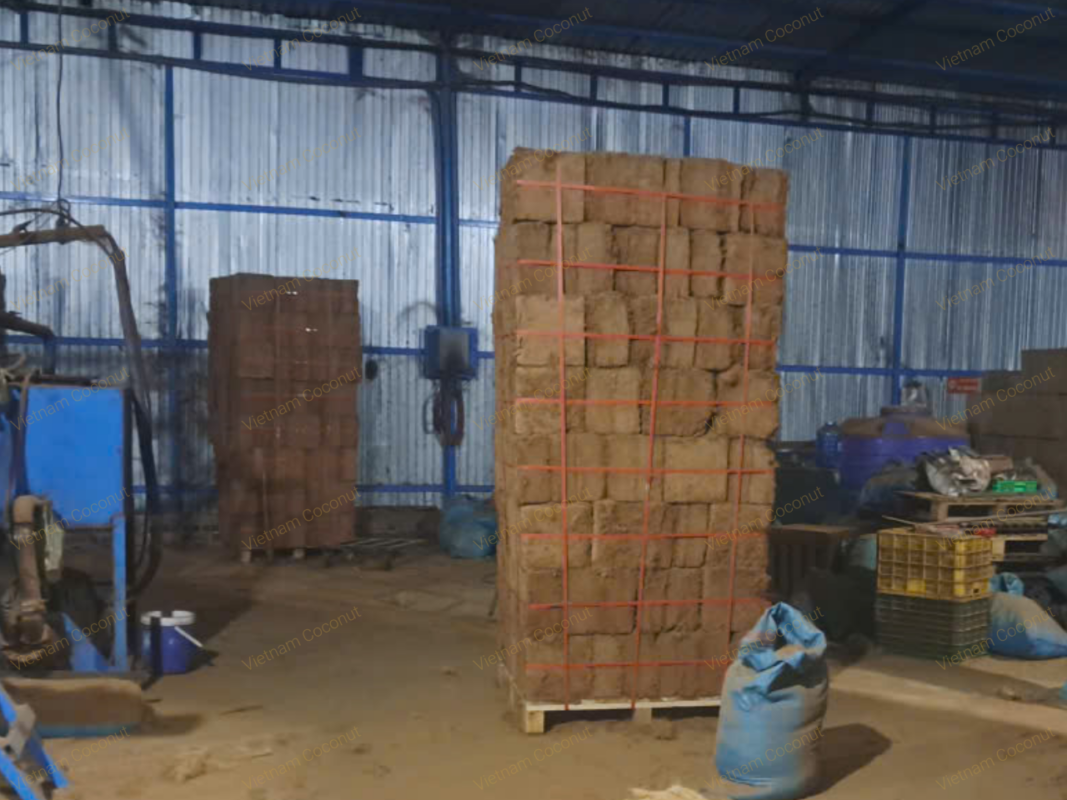
Our products are:
- Clean and well-processed
- Consistent in quality
- Available in multiple forms
- Suitable for global agricultural markets
With strong sourcing from Ben Tre, we ensure stable supply and reliable performance for international customers.
Future of Coconut-Based Growing Media
As agriculture continues evolving, sustainable substrates will play an increasingly important role.
Innovations in hydroponics, greenhouse farming, and organic agriculture will continue to drive demand for materials derived from coconut husk.
Conclusion
Cocopeat has become a key component in modern agriculture due to its water retention, aeration, and sustainability advantages. It offers a practical alternative to traditional soil and non-renewable growing media.
With strong raw material availability and advanced production capabilities, Vietnam is well positioned to meet global demand. Companies like VIA Co., Ltd continue to supply reliable coconut-based solutions to growers worldwide.
📩 Email: admin@vietnam-coconut.com
📞 Tel / WhatsApp: (+84) 931 442 377
🔗 LinkedIn: Vietnam Coconut
