

 Tiếng Việt
 中文 (中国)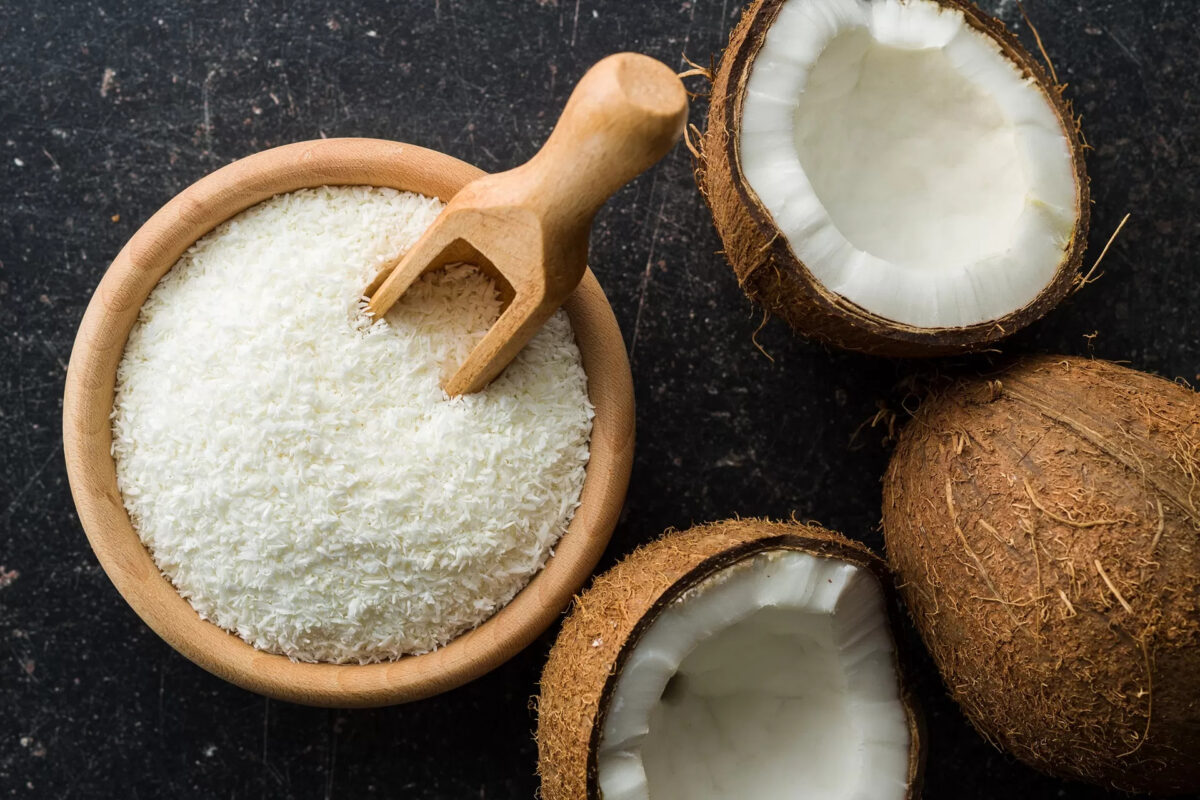
Coconut powder import has grown into a vital segment of the global food trade. With rising consumer demand for natural, plant-based, and clean-label ingredients, coconut powder is finding its way into bakeries, confectioneries, beverage mixes, dairy alternatives, and functional foods worldwide.
Unlike fresh coconut, which is perishable and difficult to ship, coconut powder offers a shelf-stable, lightweight, and easy-to-use format — making it highly attractive for international trade.

However, the coconut powder import business is not without complexity. Importers must navigate strict food safety regulations, ensure product quality remains consistent, and work with exporters who can deliver at scale.
Countries like Vietnam are emerging as preferred sources, thanks to their competitive pricing, stable coconut supply, and growing export expertise. This article explores the challenges of importing coconut powder, why Vietnam is a top supplier, and how trusted exporters like VIA Co., Ltd. can help buyers succeed.
Key Challenges in Coconut Powder Import
Regulatory Compliance Across Borders
One of the biggest hurdles in coconut powder import is meeting the varied regulations of different markets. For example, importers targeting the United States must comply with FDA guidelines, allergen declarations, and proper labeling.
Meanwhile, the European Union has its own stringent requirements regarding pesticide residues, organic certification, and sustainability audits. For Middle Eastern markets, halal certification is often essential, while other regions may require country-of-origin labeling or GMO-free verification.
These differing standards mean that working with a supplier who is certified under HACCP, ISO, Organic, and Halal programs is crucial. Without the right documentation, shipments risk delays, rejections, or even bans at customs.
Importers who anticipate these requirements and partner with compliant exporters save significant time, money, and potential reputational risks.
Logistics and Shipping Challenges
Although coconut powder is more stable than fresh coconut, its quality can still be compromised during transit. Humidity and poor packaging can cause clumping, spoilage, or contamination.
Long-haul shipments may also be delayed at ports, extending storage times and increasing the risk of quality degradation.
To overcome these issues, importers need to work with exporters that use moisture-proof packaging, such as kraft paper bags with PE liners or vacuum-sealed bulk bags.
Additionally, having a logistics partner with proven expertise in temperature and humidity control is essential. Exporters with strong shipping networks — like those in Vietnam — can ensure smooth handling from origin to destination, reducing losses for buyers.
Consistency and Quality Assurance
Coconut powder importers, especially those supplying to bakeries, foodservice brands, and retailers, must guarantee consistency. Even small variations in fat content, particle size, or flavor can alter the end product.

This is particularly critical for brands that rely on repeatable recipes, such as cookies, breads, or instant drink mixes.
Reliable exporters provide batch-specific COAs (Certificates of Analysis), regular lab testing, and strict production protocols to ensure uniformity.
Buyers are encouraged to request product samples before placing large orders, and to establish clear specifications for fat levels (low-fat vs. high-fat) and grind size (fine vs. medium). Ensuring these parameters upfront prevents costly mismatches down the supply chain.
Smart Strategies for Importing Coconut Powder
Build Long-Term Supplier Relationships
Successful importers often choose stability over short-term price gains. By establishing long-term contracts with exporters, importers can secure better pricing, priority production, and consistent quality assurance.
Long-term partnerships also reduce the risk of sudden shortages or delays during peak demand seasons.
Choose OEM and Private Label Options
Many importers today don’t just buy coconut powder — they import customized products for retail shelves.

OEM (Original Equipment Manufacturer) solutions allow buyers to brand coconut powder under their own label, while choosing specific packaging sizes, designs, and even product grades. This gives importers greater market flexibility and value-add compared to bulk reselling.
Prioritize Certifications and Traceability
With consumers demanding more transparency, importers should prioritize working with exporters that are certified in food safety and sustainability.
Certifications like HACCP, ISO, Organic, and Halal help ensure compliance across markets, while traceability systems verify sourcing from sustainable coconut farms.
This is especially important for markets in the EU and North America, where eco-conscious buyers scrutinize sourcing practices.
Why Vietnam is a Key Supplier of Coconut Powder Import
Stable and Abundant Coconut Supply
Vietnam, particularly the Ben Tre province, is known as the “Land of Coconuts.” The country produces millions of coconuts annually, and coconut farming is deeply integrated into the agricultural economy.
This stable and abundant supply ensures consistent availability for international buyers, even as demand grows.
Cost-Competitive and Efficient Production
Compared to other coconut-producing countries, Vietnam offers a balance of high quality and competitive pricing. Lower labor and production costs, combined with advanced processing technology, make Vietnamese coconut powder highly attractive for B2B buyers.
Importers benefit from bulk pricing without compromising on international safety and quality standards.
Export Experience and Global Reach
Vietnam’s coconut industry has decades of experience in international trade, with established logistics routes to North America, Europe, the Middle East, and Asia-Pacific.
This ensures smoother customs clearance and faster delivery timelines. As demand grows, Vietnam continues to expand its production capacity to meet global requirements.
Why Import Coconut Powder from VIA?
As a trusted exporter, VIA Co., Ltd provides international buyers with more than just a product — it offers a partnership built on quality, compliance, and reliability.
-
Consistent Quality – Strict quality control, modern facilities, and careful sourcing ensure uniform texture, flavor, and fat content in every batch.
-
Flexible OEM Solutions – VIA supplies coconut powder in fine, medium, full-fat, low-fat, and organic grades, with private-label and bulk packaging options.
-
Global Certifications – HACCP, ISO, and Organic certifications make VIA’s coconut powder compliant with major international import markets.
-
Competitive Pricing – Efficient production and scale advantages allow VIA to offer attractive pricing for importers without compromising standards.
-
Sustainable Practices – VIA works with eco-conscious farms, meeting the growing demand for ethically sourced, eco-friendly coconut products.
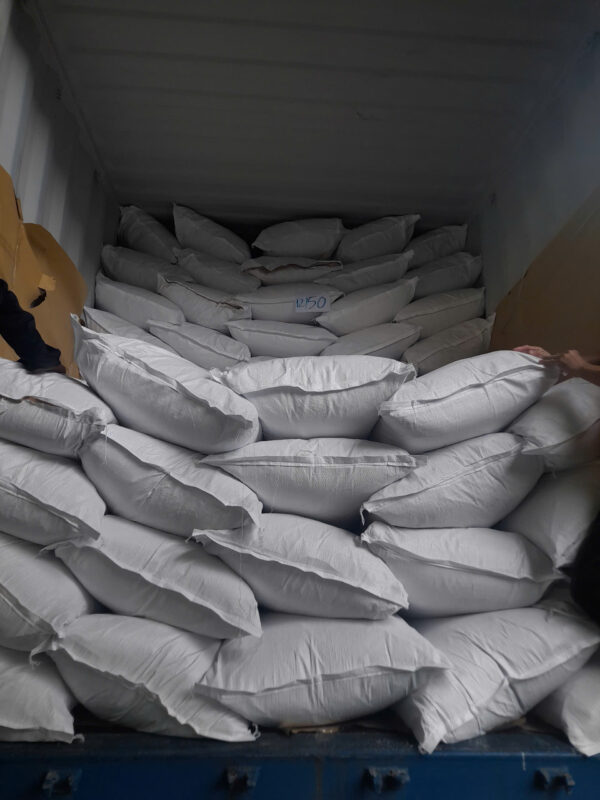
For importers seeking reliability, flexibility, and value, VIA has positioned itself as a go-to partner for coconut powder import worldwide.
Conclusion
Coconut powder import is more than a transaction — it’s a strategic move for food manufacturers, distributors, and retailers looking to serve health-conscious consumers with natural and versatile ingredients.
While import challenges exist in compliance, logistics, and quality assurance, choosing the right supplier can make the process seamless and profitable.
With Vietnam emerging as a leading coconut powder import, and trusted exporters like VIA Co., Ltd offering certified, customizable, and competitively priced solutions, importers can confidently expand their product portfolios.
Whether you are sourcing for retail, foodservice, or large-scale manufacturing, Vietnam’s coconut powder industry provides the perfect foundation for growth.
Get in Touch
If you are interested in sourcing premium Vietnam coconut powder import for your business, our team is ready to support you with detailed product information, bulk order options, and export services.
📩 Contact us today:
- Email: admin@vietnam-coconut.com
- Tel / WhatsApp: (+84) 931 442 377
- LinkedIn: Vietnam Coconut
