

 Tiếng Việt
 中文 (中国)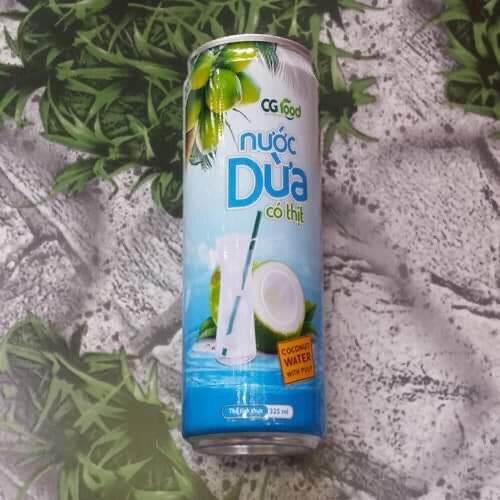
Packaged coconut water is rapidly becoming one of the most sought-after beverages in the global health drink market. From supermarkets and convenience stores to hotels, airlines, and private-label beverage brands, demand continues to rise due to its natural hydration benefits and clean-label appeal.
For importers, distributors, and beverage manufacturers, understanding packaging options, sourcing requirements, and supplier capabilities is essential to building a successful coconut water product line.
What Is Packaged Coconut Water?
Packaged coconut water refers to coconut water that has been extracted from fresh young coconuts, processed under hygienic conditions, and packed into commercial containers for retail, food service, or industrial distribution.
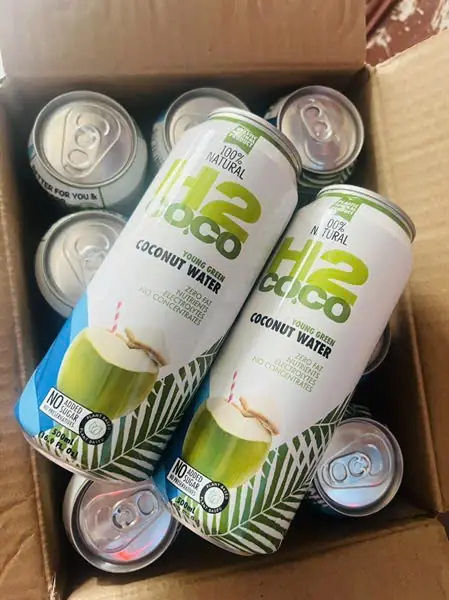
Unlike freshly opened coconuts, packaged coconut water offers:
- Longer shelf life
- Easier transportation
- Consistent quality
- Scalable distribution
- Convenient consumption
Today, packaged coconut water is available in multiple formats and serves a broad range of markets, including retail, hospitality, sports nutrition, and private-label beverages.
Why Global Demand for Packaged Coconut Water Is Growing
Consumer preferences have shifted dramatically toward healthier beverages. Many consumers are actively reducing their intake of carbonated soft drinks and artificial beverages while seeking naturally sourced alternatives.
Several trends are driving demand:
- Growth of functional beverages
- Rising interest in natural hydration
- Clean-label consumption
- Plant-based lifestyles
- Sports and wellness nutrition
- Low-calorie beverage preferences
As a result, packaged coconut water has become a strategic product category for beverage companies and distributors worldwide.
Key Benefits of Packaged Coconut Water
Natural Hydration
Coconut water naturally contains electrolytes such as potassium, sodium, magnesium, and calcium.
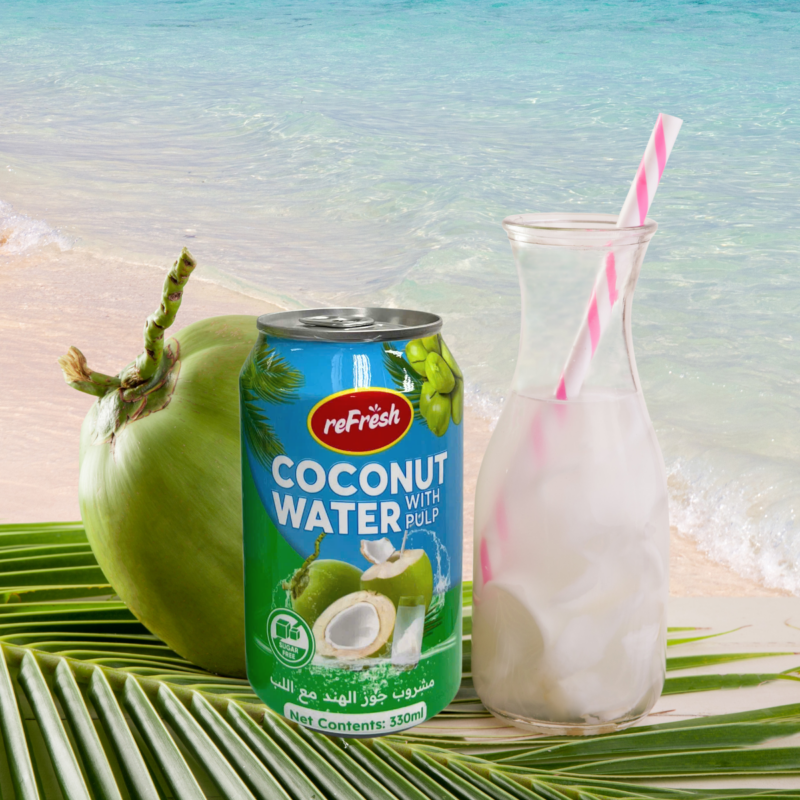
These minerals make coconut water a popular hydration beverage for:
- Athletes
- Fitness enthusiasts
- Active consumers
- Wellness-focused individuals
Clean-Label Appeal
Modern consumers increasingly prefer products with simple ingredient lists.
Many packaged coconut water products contain:
- 100% coconut water
- No artificial colors
- No artificial preservatives
- No added sugar
This aligns with clean-label beverage trends.
Low-Calorie Alternative
Compared with many traditional soft drinks and fruit juices, coconut water offers a naturally refreshing taste with fewer calories.
This makes it attractive for:
- Weight-conscious consumers
- Healthy lifestyle brands
- Functional beverage portfolios
Plant-Based Beverage Solution
As plant-based consumption grows globally, coconut water fits naturally within vegan and vegetarian product categories.
Types of Packaged Coconut Water Available in the Market
Not all coconut water products are the same. Buyers should understand the differences before selecting a supplier.
Packaged Coconut Water Product Categories
| Product Type | Description | Common Applications |
|---|---|---|
| 100% Pure Coconut Water | Natural coconut water without additives | Retail, supermarkets, wellness brands |
| NFC Coconut Water (Not From Concentrate) | Minimally processed coconut water | Premium beverage products |
| Coconut Water from Concentrate | Reconstituted after concentration | Cost-sensitive markets |
| Flavored Coconut Water | Added fruit flavors or natural extracts | Mainstream retail products |
| Organic Coconut Water | Produced under certified organic standards | Premium and health-focused markets |
For most premium beverage brands, NFC coconut water remains the preferred option due to its authentic taste profile.
Packaging Options for Coconut Water
Packaging plays a critical role in product quality, shelf life, transportation efficiency, and consumer perception.
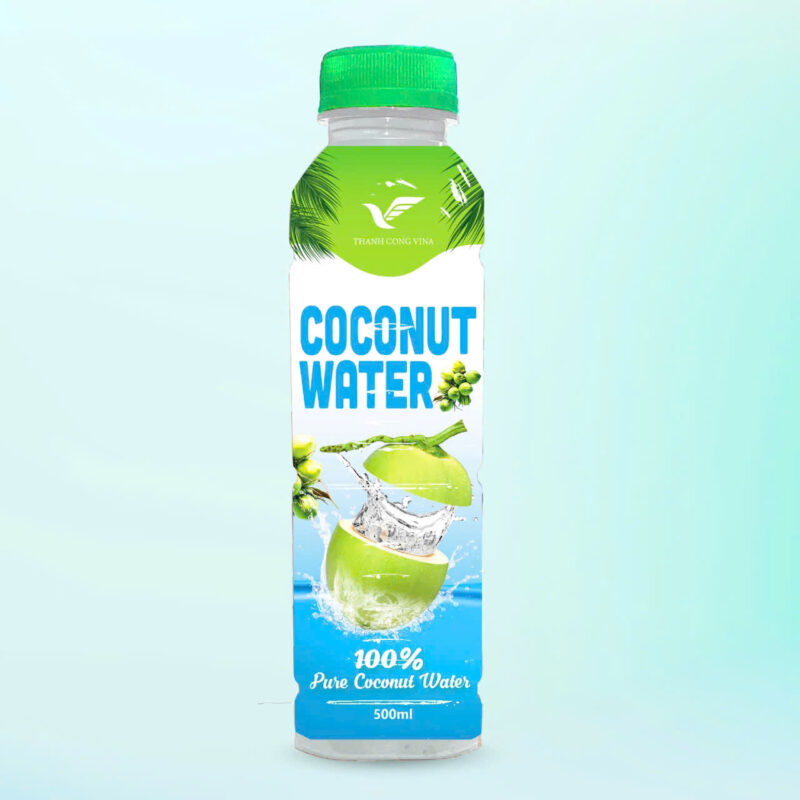
Coconut Water Packaging Comparison
| Packaging Type | Shelf Life | Advantages | Typical Markets |
|---|---|---|---|
| Aseptic Tetra Pak | 12–18 months | Lightweight, cost-efficient, export-friendly | Retail and supermarkets |
| Aluminum Can | 12–24 months | Premium appearance, recyclable | Beverage brands and convenience stores |
| PET Bottle | 6–12 months | Consumer familiarity, portability | Retail and food service |
| Glass Bottle | 12–18 months | Premium positioning | Hotels, restaurants, luxury retail |
| Bag-in-Box | Industrial applications | Cost-effective bulk usage | Food service and manufacturing |
The choice of packaging depends on target markets, distribution channels, and branding strategy.
Why Aseptic Packaging Dominates the Industry
Most large-scale coconut water exports utilize aseptic packaging technology.
Advantages of Aseptic Packaging
- No refrigeration required before opening
- Extended shelf life
- Reduced logistics costs
- Better nutrient preservation
- Lower risk of contamination
These benefits make aseptic packaging ideal for international distribution.
Applications of Packaged Coconut Water
Packaged coconut water serves a wide variety of industries.
Coconut Water Applications by Industry
| Industry | Application |
|---|---|
| Beverage Brands | Retail-ready coconut water products |
| Supermarkets | Private-label beverage programs |
| Hotels & Resorts | Welcome drinks and minibar products |
| Airlines | Healthy beverage offerings |
| Food Service | Cafés, restaurants, and catering |
| Sports Nutrition | Functional hydration products |
| Health & Wellness | Natural electrolyte beverages |
The versatility of packaged coconut water continues to drive adoption across multiple channels.
What Beverage Buyers Look for in a Coconut Water Supplier
For importers and beverage manufacturers, selecting the right supplier is about much more than pricing.
Critical Evaluation Criteria
Product Consistency
Large beverage brands require:
- Consistent taste
- Stable Brix levels
- Uniform color
- Reliable quality across batches
Consistency directly impacts brand reputation.
Production Capacity
Supply interruptions can significantly affect business operations.
Buyers should evaluate:
| Capacity Factor | What to Verify |
|---|---|
| Monthly Output | Ability to support growth |
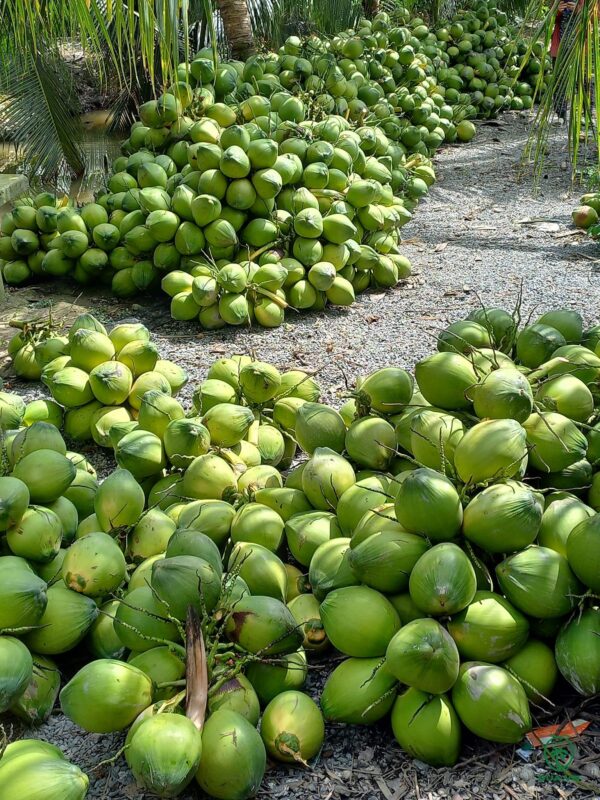
| Raw Material Supply | Stable coconut sourcing |
| Factory Scale | Production infrastructure |
| Lead Time | Production and shipping schedules |
Food Safety Standards
Global beverage companies typically require internationally recognized certifications.
Essential Certifications
| Certification | Importance |
|---|---|
| HACCP | Food safety management |
| ISO 22000 | International food safety compliance |
| FDA Registration | U.S. market access |
| BRCGS | Retail compliance |
| Organic Certification | Organic market access |
| Halal Certification | Muslim consumer markets |
Certifications build buyer confidence and facilitate international trade.
Private Label Coconut Water: A Growing Opportunity
Private-label beverages are expanding rapidly worldwide.
Many retailers and distributors prefer launching their own coconut water brand rather than developing production facilities.
Benefits of Private Label Coconut Water
| Advantage | Description |
|---|---|
| Faster Market Entry | Launch products quickly |
| Lower Investment | No manufacturing facility required |
| Brand Ownership | Build proprietary beverage brands |
| Custom Packaging | Tailored packaging design |
| Formula Flexibility | Customize sweetness and flavor |
Private-label programs have become one of the fastest-growing segments within the coconut water industry.
OEM Coconut Water Manufacturing Services
OEM (Original Equipment Manufacturing) allows brands to create customized coconut water products under their own labels.
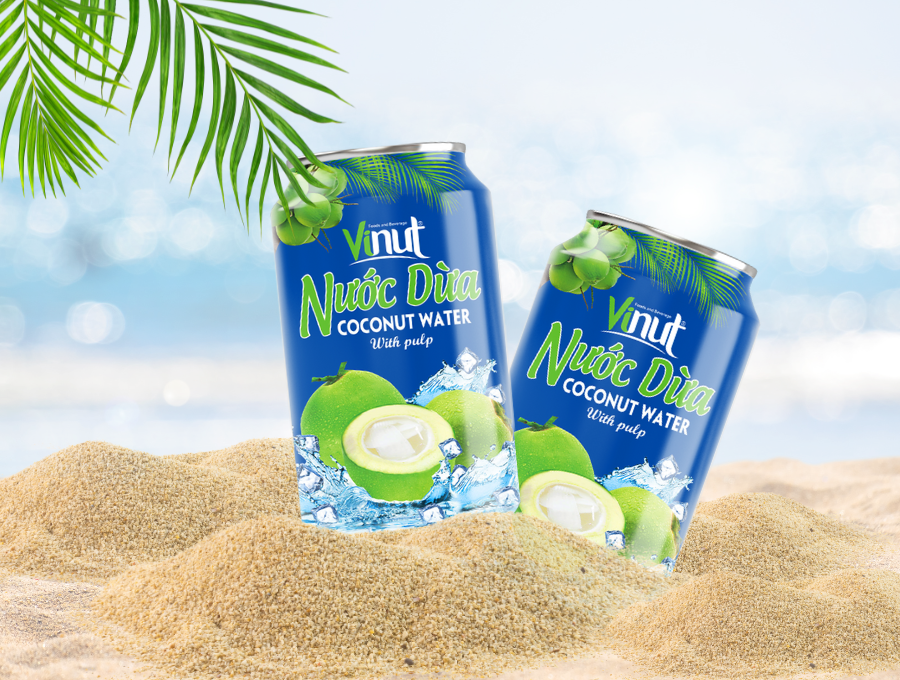
Typical OEM services include:
- Custom packaging design
- Label development
- Formula adjustment
- Flavor customization
- Regulatory compliance support
- Export documentation
This approach enables companies to focus on marketing and distribution while leveraging an experienced manufacturer’s production expertise.
Why Vietnam Is Becoming a Leading Source of Packaged Coconut Water
Vietnam has emerged as one of the world’s most competitive coconut-producing countries.
The Mekong Delta region offers ideal growing conditions and year-round coconut availability.
Advantages of Sourcing from Vietnam
| Factor | Vietnam Advantage |
|---|---|
| Raw Material Supply | Abundant coconut resources |
| Production Costs | Competitive manufacturing costs |
| Export Infrastructure | Established global shipping networks |
| Processing Technology | Modern aseptic production facilities |
| OEM Capability | Strong private-label support |
| Market Experience | Extensive export expertise |
These advantages make Vietnam an attractive sourcing destination for international buyers.
Logistics Considerations for Packaged Coconut Water
Transportation requirements vary depending on packaging format and processing method.
Shipping Comparison
| Shipping Method | Best For | Considerations |
|---|---|---|
| Sea Freight | Large-volume exports | Lowest cost per unit |
| Air Freight | Urgent shipments | Higher logistics costs |
| FCL Container | Bulk orders | Best cost efficiency |
| LCL Shipment | Smaller volumes | Flexible for new buyers |
For most international buyers, sea freight remains the preferred option due to cost efficiency.
Sustainability Trends in Coconut Water Packaging
Sustainability is becoming increasingly important in purchasing decisions.
Leading beverage brands now prioritize:
- Recyclable packaging
- Reduced plastic usage
- Sustainable sourcing
- Carbon footprint reduction
- Responsible supply chains
Suppliers that support sustainability initiatives often gain a competitive advantage in global markets.
Future Trends in the Packaged Coconut Water Industry
Several trends are expected to drive continued market growth:
Functional Beverage Innovation
Consumers increasingly seek beverages with additional health benefits.
Premium Coconut Water Products
Demand for NFC and organic coconut water continues rising.
Private Label Expansion
Retailers increasingly invest in proprietary beverage brands.
Global Health Awareness
Natural hydration products are expected to gain market share from traditional soft drinks.
Emerging Markets
Growing middle-class populations in Asia, the Middle East, and Latin America are creating new demand opportunities.
How to Choose the Right Packaged Coconut Water Supplier
Supplier Evaluation Checklist
| Criteria | Questions to Ask |
|---|---|
| Production Capacity | Can they support long-term growth? |
| Quality Assurance | Do they provide COA and testing reports? |
| Certifications | Are international certifications available? |
| OEM Services | Can they support private-label development? |
| Export Experience | Which countries do they currently supply? |
| Communication | How responsive is their team? |
A supplier should be viewed as a long-term business partner rather than simply a product vendor.
Conclusion
Packaged coconut water has evolved from a niche tropical beverage into a globally recognized hydration product with strong demand across retail, hospitality, food service, and wellness sectors. Its natural electrolyte content, clean-label positioning, and compatibility with modern health trends make it a compelling opportunity for beverage brands and distributors.
For importers, retailers, and food manufacturers, selecting the right packaged coconut water supplier requires careful evaluation of product quality, production capacity, food safety certifications, packaging capabilities, and export experience. Vietnam continues to strengthen its position as a leading sourcing destination by combining abundant coconut resources, modern processing technology, competitive pricing, and strong OEM capabilities.
As consumer demand for healthier beverages continues to grow, packaged coconut water remains one of the most promising categories for businesses seeking sustainable growth and long-term market opportunities.
