

 Tiếng Việt
 中文 (中国)
Wholesale desiccated coconut has become a key ingredient for food manufacturers seeking reliable, cost-effective, and clean-label solutions at scale. From bakery and confectionery to cereals, snacks, and plant-based products, demand continues to grow worldwide.
But how do buyers identify the right supplier, choose the appropriate grade, and ensure consistent quality for large-volume production? This guide provides everything procurement teams and food businesses need to know before sourcing.
What Is Desiccated Coconut?
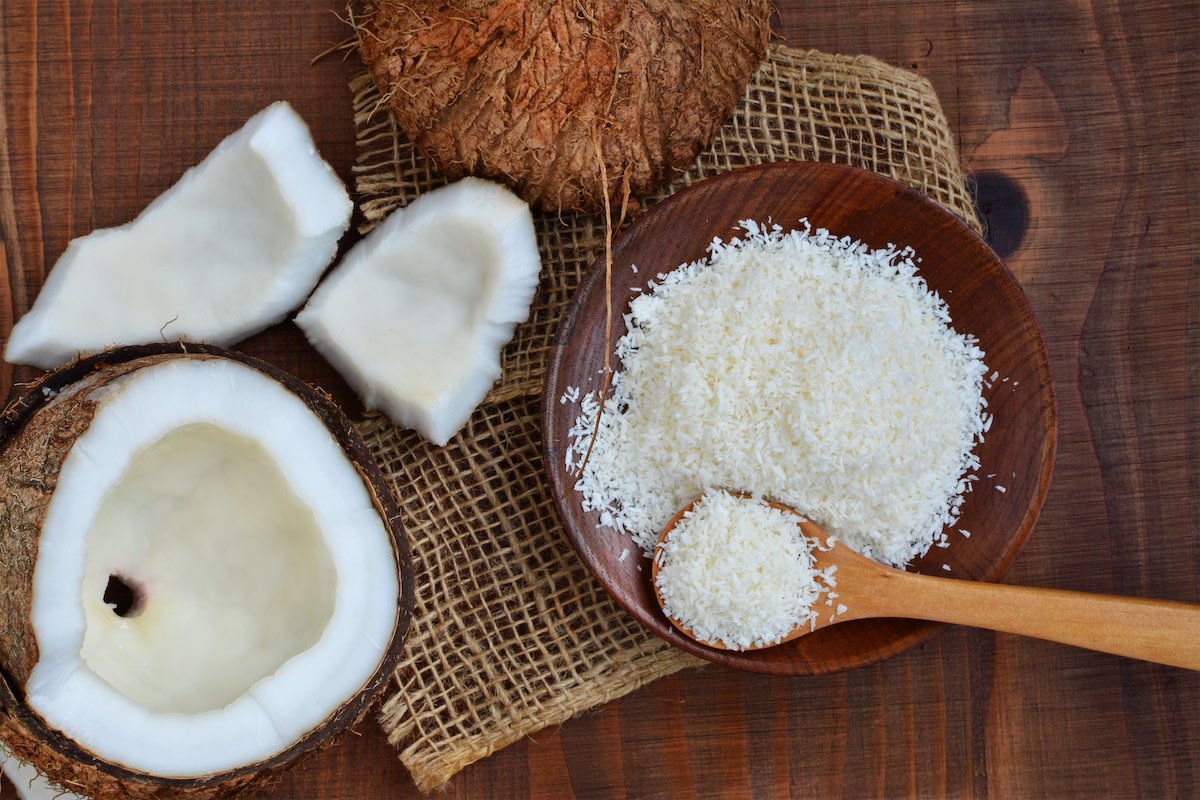
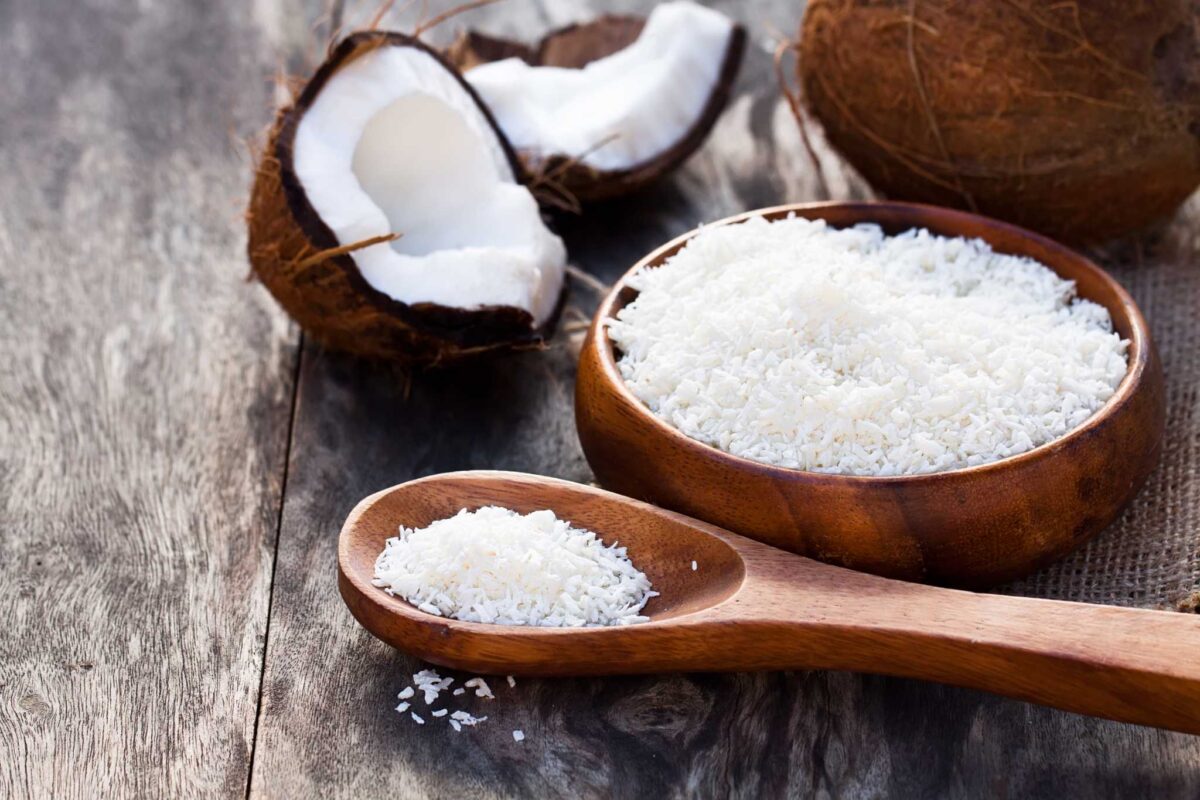
Desiccated coconut is made from fresh mature coconut meat that has been peeled, washed, sterilized, shredded, and dried under controlled conditions. The drying process removes most of the moisture while preserving the coconut’s natural flavor, aroma, texture, and nutritional properties.
As a versatile food ingredient, desiccated coconut is widely used in bakery products, confectionery, cereals, snacks, dairy alternatives, and ready-to-eat foods. Its long shelf life, natural appeal, and compatibility with modern food trends make it one of the most traded coconut ingredients globally.
Key Characteristics
- Natural coconut flavor and aroma
- Low moisture content
- Long shelf life
- Excellent texture retention
- Suitable for industrial food processing
- Available in multiple grades and fat contents
- Clean-label and plant-based ingredient
Why Global Demand for Wholesale Desiccated Coconut Is Growing
Consumer preferences have shifted significantly toward natural, minimally processed, and plant-based foods. As a result, food manufacturers are increasingly incorporating coconut ingredients into product formulations.
Key market drivers include:
- Growing demand for clean-label products
- Expansion of plant-based food categories
- Increased interest in natural ingredients
- Rising popularity of healthy snacking
- Growth of premium bakery and confectionery products
For manufacturers, desiccated coconut offers a practical way to enhance flavor, texture, and nutritional value while meeting consumer expectations.
Types of Desiccated Coconut Available in Wholesale Supply
Choosing the right grade is essential for achieving the desired texture and functionality in food production.
Desiccated Coconut Grades Comparison
| Grade | Particle Size | Common Applications | Key Advantages |
|---|---|---|---|
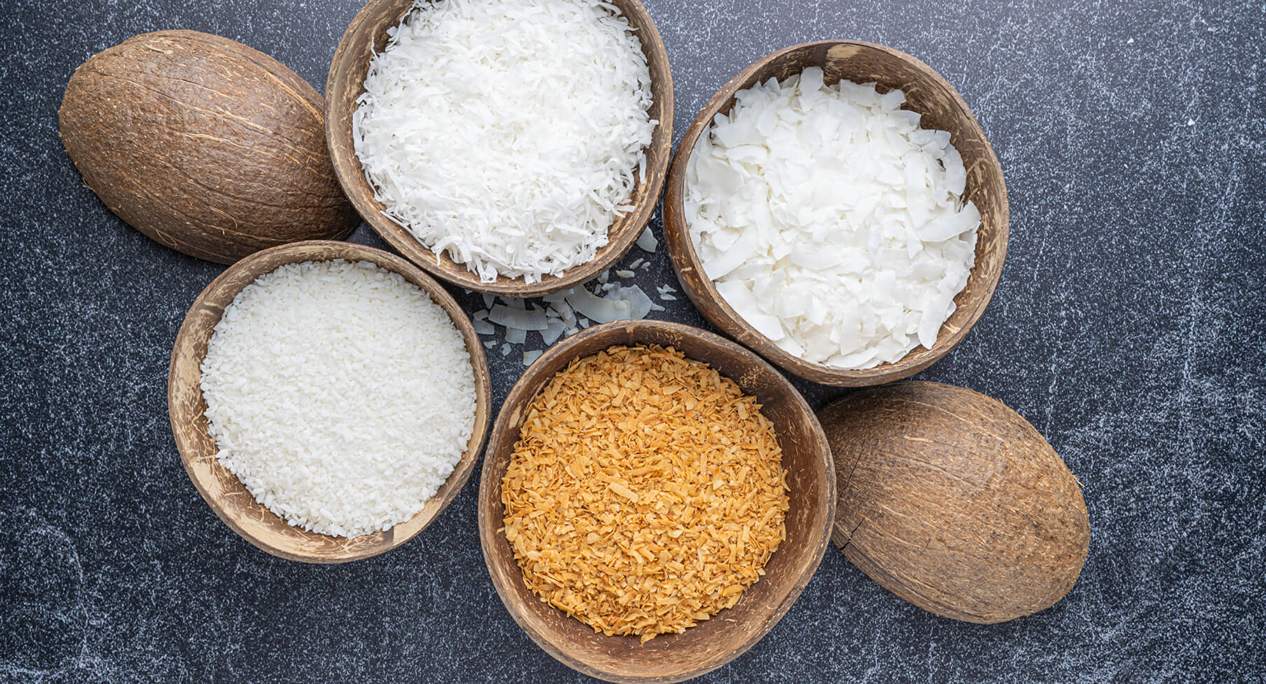
| Fine Grade | Small particles | Cookies, biscuits, cakes, confectionery fillings, energy bars | Smooth texture, easy mixing, uniform appearance |
| Medium Grade | Medium particles | Bakery products, granola, cereals, snacks, chocolate products | Balanced texture and versatility |
| Flake Grade | Larger particles | Premium snacks, toppings, trail mixes, desserts | Enhanced visual appeal and crunch |
Food manufacturers should select the grade that best matches product specifications, processing requirements, and consumer expectations.
High Fat vs Medium Fat vs Low Fat Desiccated Coconut
One of the most important sourcing decisions involves selecting the appropriate fat content.
Desiccated Coconut Fat Content Comparison
| Type | Fat Content | Best For | Main Benefits |
|---|---|---|---|
| High Fat Desiccated Coconut | 60%–68% | Chocolate, confectionery, premium bakery products | Rich flavor, superior mouthfeel, premium positioning |
| Medium Fat Desiccated Coconut | 45%–55% | Industrial baking, cereals, food service applications | Balanced performance and cost efficiency |
| Low Fat Desiccated Coconut | Below 35% | Health foods, reduced-fat snacks, functional foods | Lower calories, longer shelf stability |
Which Fat Content Is Best?
There is no universal answer. High-fat desiccated coconut is preferred when flavor and richness are priorities, while low-fat grades are often selected for health-focused formulations. Medium-fat desiccated coconut remains the most versatile option for large-scale manufacturing.
Applications of Wholesale Desiccated Coconut in the Food Industry
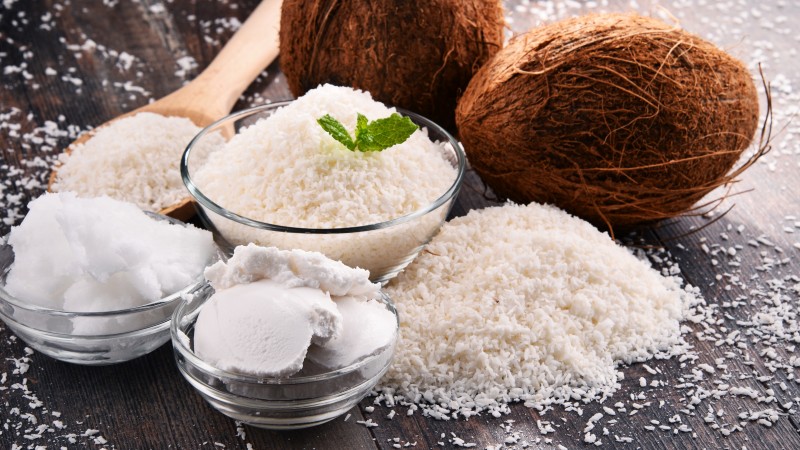
Desiccated coconut is used across numerous food categories because of its flavor, texture, and nutritional value.
Desiccated Coconut Applications by Industry
| Industry | Applications | Benefits |
|---|---|---|
| Bakery | Cakes, cookies, muffins, pastries | Flavor enhancement, moisture retention |
| Confectionery | Chocolate bars, truffles, fillings | Natural sweetness and texture |
| Cereals & Granola | Muesli, granola, breakfast cereals | Crunch, fiber, visual appeal |
| Snack Foods | Protein bars, trail mixes, keto snacks | Clean-label ingredient, nutritional value |
| Plant-Based Foods | Vegan desserts, dairy alternatives | Plant-based functionality |
Bakery Manufacturing
The bakery industry remains one of the largest consumers of desiccated coconut. It improves texture, enhances flavor, and contributes to moisture retention in cakes, cookies, pastries, and sweet breads.
Confectionery Production
Chocolate manufacturers frequently use desiccated coconut in fillings, coated products, truffles, and premium confectionery. The combination of coconut and chocolate continues to be highly popular among consumers worldwide.
Cereals and Healthy Snacks
Granola, muesli, protein bars, and trail mixes increasingly incorporate coconut ingredients to deliver natural flavor and texture while supporting clean-label positioning.
Nutritional Benefits of Desiccated Coconut
Food brands increasingly highlight the nutritional value of coconut-based ingredients.
Key Nutritional Advantages
Dietary Fiber
Desiccated coconut naturally contains dietary fiber, which helps support digestive health and increases satiety.
Plant-Based Fat Source
Coconut contains naturally occurring fats, including medium-chain triglycerides (MCTs), making it attractive for functional foods and sports nutrition products.
Naturally Gluten-Free
Manufacturers producing gluten-free foods often use desiccated coconut as a safe and versatile ingredient.
Vegan-Friendly
As a plant-derived ingredient, desiccated coconut is suitable for vegan, vegetarian, and flexitarian product development.
Quality Standards Buyers Should Evaluate
When purchasing wholesale desiccated coconut, quality consistency is just as important as price.
Key Quality Parameters for Wholesale Desiccated Coconut
| Parameter | Why It Matters |
|---|---|
| Moisture Content | Impacts shelf life and product stability |
| Microbiological Safety | Ensures food safety compliance |
| Color Consistency | Reflects manufacturing quality |
| Particle Size Uniformity | Supports consistent production performance |
| Aroma & Flavor | Indicates freshness and raw material quality |
| Foreign Matter Control | Ensures product purity |
Why Quality Control Matters of Wholesale Desiccated Coconut
Even small variations in moisture or particle size can affect production efficiency, product appearance, and shelf life. Professional suppliers implement strict quality assurance programs to maintain consistency across every shipment.
Essential Certifications for International Buyers
Global food manufacturers typically require internationally recognized certifications before approving a supplier.
Important Certifications for Export Markets
| Certification | Purpose |
|---|---|
| HACCP | Food safety risk management |
| ISO 22000 | Food safety management system |
| BRCGS | International retailer compliance |
| Halal | Access to Muslim consumer markets |
| Kosher | Compliance with Kosher food standards |
| FDA Registration | Facilitates exports to the U.S. market |
These certifications demonstrate a supplier’s commitment to food safety, traceability, and regulatory compliance.
Why Vietnam Is a Leading Source of Wholesale Desiccated Coconut
Vietnam has become one of the fastest-growing suppliers in the global coconut industry.
The country’s coconut-growing regions, particularly in the Mekong Delta, provide abundant raw materials and stable year-round production.
Why Buyers Source Desiccated Coconut from Vietnam
| Factor | Vietnam Advantage |
|---|---|
| Raw Material Availability | Year-round coconut supply |
| Production Capacity | Modern processing facilities |
| Export Experience | Strong presence in major markets |
| Pricing | Competitive compared with many origins |
| Certifications | Compliance with international standards |
| Logistics | Convenient access to global shipping routes |
Modern Processing Capabilities
Leading Vietnamese manufacturers have invested heavily in automated production systems, food safety management, and export-grade processing technology.
Strong Export Infrastructure
Vietnamese suppliers serve customers across Europe, North America, the Middle East, Australia, Japan, and South Korea, demonstrating strong international market acceptance.
How to Choose the Right Wholesale Desiccated Coconut Supplier
Selecting a supplier should involve a comprehensive evaluation process.
Wholesale Desiccated Coconut Supplier Evaluation Checklist
| Evaluation Criteria | What Buyers Should Verify |
|---|---|
| Production Capacity | Monthly output and scalability |
| Quality Control | COA, testing reports, inspections |
| Certifications | HACCP, ISO, BRCGS, Halal, Kosher |
| Export Experience | Existing export markets and references |
| OEM Capability | Private label and customized packaging |
| Communication | Response speed and technical support |
Questions to Ask Before Placing an Order
- Can the supplier provide consistent monthly volumes?
- What quality assurance procedures are in place?
- Which export markets does the supplier currently serve?
- Are OEM and private-label services available?
- Can the supplier provide recent test reports and certifications?
These questions help reduce procurement risk and ensure long-term supply stability.
Future Trends Driving Demand for Desiccated Coconut
Several industry trends are expected to support continued growth in demand:
- Clean-label product innovation
- Expansion of plant-based foods
- Growth of healthy snacking
- Increased demand for natural ingredients
- Rising interest in functional nutrition
- Greater focus on sustainable sourcing
Food manufacturers that align with these trends are likely to benefit from stronger consumer demand and improved product differentiation.
Conclusion
Wholesale desiccated coconut remains one of the most valuable ingredients in modern food manufacturing. Its versatility, natural appeal, long shelf life, and compatibility with clean-label and plant-based trends make it a strategic choice for bakery, confectionery, cereal, snack, and functional food producers worldwide.
For procurement teams and food manufacturers, successful sourcing depends on selecting a supplier that can deliver consistent quality, food safety compliance, scalable production capacity, and reliable export support. As global demand continues to increase, Vietnam is emerging as a trusted sourcing destination, offering competitive pricing, modern processing capabilities, and strong international supply experience.
By partnering with the right wholesale desiccated coconut supplier, businesses can secure a dependable ingredient supply while supporting long-term growth in an increasingly competitive food market.
Contact:
📩 Email: admin@vietnam-coconut.com
📞 Tel / WhatsApp: (+84) 931 442 377
🔗 LinkedIn: Vietnam Coconut
