

 Tiếng Việt
 中文 (中国)
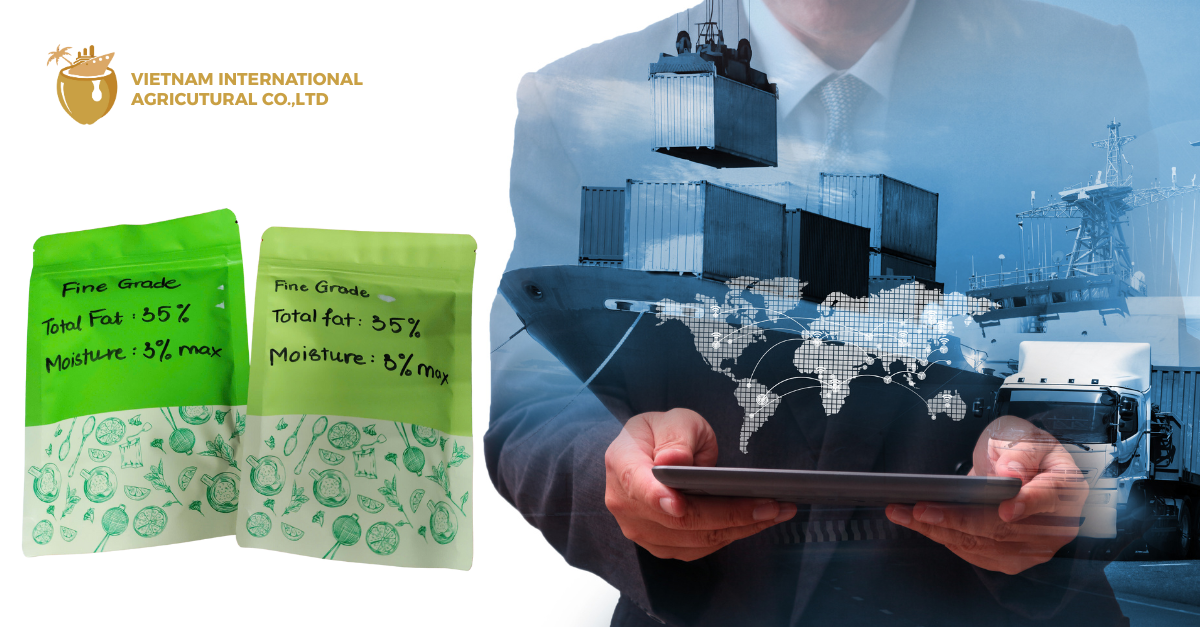
Vietnam International Agriculture (VIA) connects the rich coconut-growing resources of Ben Tre, Vietnam, with international buyers seeking dependable agricultural supply.
Specializing in fresh coconuts, desiccated coconut, coconut water, and other coconut-derived products, VIA serves importers, distributors, retailers, and food manufacturers looking for quality products and long-term sourcing partnerships. Over the past two years, VIA has continued to develop its product portfolio, export capabilities, and customized solutions for global markets.
What Is Vietnam International Agriculture (VIA)?
Vietnam International Agriculture Co., Ltd. (VIA) is a Vietnamese agricultural trading and export company specializing in coconut products and selected agricultural commodities. With a focus on international B2B trade, the company connects Vietnamese agricultural resources with the sourcing requirements of overseas businesses.
Based in Vietnam, VIA benefits from access to the Mekong Delta’s coconut-growing areas, particularly Ben Tre, a region widely recognized for its coconut production. This proximity to the source supports product sourcing, selection, and preparation for international orders.
Unlike suppliers focused on a single retail product, VIA serves businesses with different procurement needs, from fresh coconuts for wholesale distribution to processed coconut ingredients for food manufacturing.

VIA at a Glance
| Company Profile | Details |
|---|---|
| Company name | Vietnam International Agriculture Co., Ltd. |
| Brand name | VIA |
| Country of origin | Vietnam |
| Core specialization | Coconut products and agricultural exports |
| Key sourcing region | Ben Tre and the Mekong Delta |
| Target customers | Importers, distributors, retailers, and food manufacturers |
| Business focus | Wholesale supply, export partnerships, and customized product solutions |
| Website | https://vietnam-coconut.com/ |
For international buyers searching for a Vietnam coconut exporter, understanding a supplier’s product range, sourcing capabilities, and export experience is an important first step toward evaluating a potential business partnership.
Why VIA Is One of Vietnam’s Leading Coconut Exporters
Vietnam’s coconut industry has gained increasing international attention as demand grows for fresh coconuts, coconut water, desiccated coconut, coconut milk, and other coconut-derived ingredients.
VIA focuses on connecting this agricultural potential with the practical needs of global buyers. Its business approach emphasizes product selection, supply coordination, export preparation, and communication throughout the procurement process.
Access to Ben Tre’s Coconut Supply
Ben Tre has long been associated with Vietnamese coconut cultivation. The province’s tropical climate, established farming communities, and coconut-processing activities make it an important sourcing region for businesses purchasing coconut products.
For VIA, sourcing from this region offers several practical advantages:
- Access to Vietnamese-origin coconuts.
- A sourcing network connected to established coconut-growing areas.
- Opportunities to serve different product specifications and market segments.
- A foundation for developing long-term supply relationships.
For buyers, the value of regional sourcing extends beyond geographical origin. It also depends on how effectively a supplier coordinates raw materials, product specifications, quality checks, and shipment schedules.
A Broad Coconut Product Portfolio
VIA supports buyers seeking multiple coconut products through one sourcing relationship. Depending on the product and agreed specifications, its portfolio includes fresh coconuts, desiccated coconut, coconut powder, coconut water, coconut oil, and other coconut-derived products.
This range is relevant to distributors building product portfolios as well as manufacturers purchasing ingredients for different production applications.
For example, a beverage importer may prioritize fresh coconuts or packaged coconut water, while a bakery manufacturer may require desiccated coconut in a specified particle size and fat category.
A supplier familiar with these different requirements can help buyers streamline product inquiries and sourcing coordination.
VIA’s Key Milestones and Development Over the Past Two Years
Over the past two years, VIA’s development has focused on strengthening its position in the coconut export sector through product diversification, market development, and greater alignment with international buyers’ requirements.
Rather than measuring progress through a single product or shipment, these developments reflect a broader effort to build a more versatile export business.

1. Expanding the Fresh Coconut Export Business
Fresh coconut remains an important part of VIA’s business, particularly for buyers serving retail, wholesale, hospitality, and beverage markets.
The company offers fresh coconut formats such as diamond-cut coconuts, peeled coconuts, and green coconuts, subject to product specifications and availability.
Different formats serve different commercial purposes. Diamond-cut coconuts can suit premium retail and hospitality presentation, while peeled or green coconuts may be more appropriate for wholesale distribution and fresh coconut water consumption.
Developing these options allows VIA to address different buyer preferences instead of relying on a single product presentation.
2. Advancing Vietnamese Fresh Coconut Exports to New Zealand

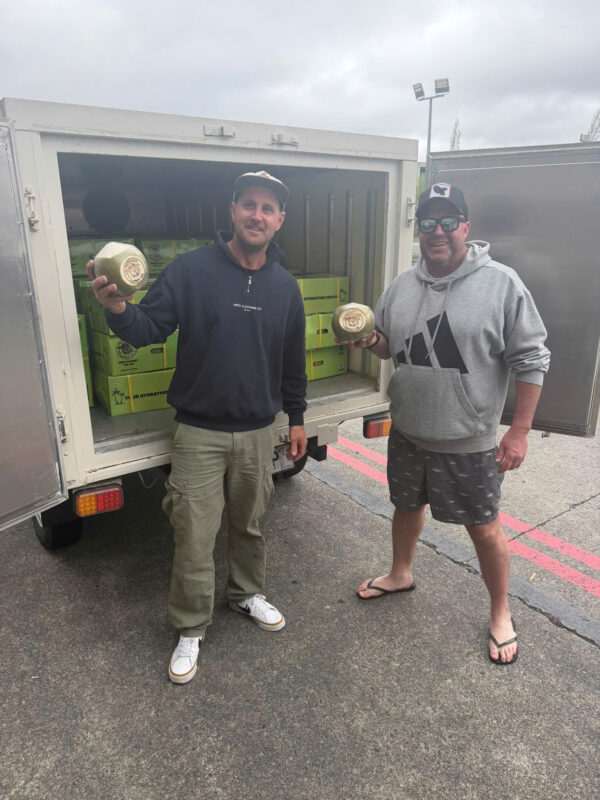
One of the milestones highlighted by VIA is its role in the export of Vietnamese fresh coconuts to New Zealand. According to the company’s stated history, Vietnam International Agriculture was the first Vietnamese company to export fresh coconuts to this market.
This milestone reflects VIA’s focus on connecting Vietnamese agricultural products with international destinations that require careful attention to import procedures, product specifications, and shipment preparation.
For fresh agricultural products, entering a new market involves more than identifying a buyer. Exporters must also understand applicable phytosanitary requirements, import conditions, packaging expectations, and documentation procedures.
Editorial note: The first-exporter distinction is a specific historical claim. Before publishing it as an independently verified fact, VIA should confirm the relevant shipment date and supporting export or customs documentation.
3. Developing a More Diversified Coconut Product Portfolio
Over the past two years, VIA has continued to develop its coconut product offering to address a wider range of B2B sourcing requirements.
Its product categories include:
- Fresh coconuts for wholesale and retail distribution.
- Desiccated coconut for bakery and food manufacturing.
- Coconut powder for ingredient applications.
- Coconut water for beverage businesses.
- Coconut oil and other coconut-derived products.
This diversification allows VIA to engage with different types of buyers across the food and beverage value chain.
For food manufacturers, product diversification can simplify supplier evaluation and create opportunities to consolidate sourcing where specifications, production capabilities, and commercial terms are suitable.
4. Strengthening Export-Oriented Supply Coordination
Large-volume buyers need more than access to agricultural products. They also need clear specifications, responsive communication, shipment planning, and appropriate export documentation.
VIA’s continued business development has emphasized these practical aspects of international trade.
For each order, relevant considerations include product grade, size or particle specifications, packaging format, quantity, lead time, destination requirements, and shipping arrangements.
A structured approach helps both parties identify potential issues before production or shipment, reducing the risk of misunderstandings and avoidable delays.
5. Developing Customized Solutions for International Buyers
Different markets have different commercial expectations. A distributor may need fresh coconuts in a specific presentation, while a beverage brand may be interested in packaged coconut water or private-label products.
VIA’s product development direction includes customized packaging and OEM or private-label opportunities for suitable product categories.
These solutions help buyers explore products that fit their own brand identity, target market, and distribution strategy.
Together, these developments support VIA’s ambition to strengthen its position as a Vietnamese coconut exporter serving international B2B customers.

What Coconut Products Does VIA Supply?
Understanding the available product categories helps importers and manufacturers identify the right starting point for a sourcing discussion.
Fresh Coconut

VIA supplies Vietnamese fresh coconuts for wholesale distribution, retail, hospitality, and beverage-related applications.
Available formats may include:
- Diamond-cut coconuts.
- Peeled coconuts.
- Green coconuts.
Buyers should specify their preferred coconut size, maturity, external appearance, water requirements, packaging, and destination market when requesting a quotation. These details help determine product suitability and the applicable export requirements.
Desiccated Coconut and Coconut Powder

Desiccated coconut and coconut powder are widely used in commercial food production, including bakery products, confectionery, snacks, cereals, and other coconut-based formulations.
For bulk procurement, important specifications include particle size, fat content, moisture content, microbiological criteria, packaging, and shelf life.
VIA’s desiccated coconut offering includes different product specifications, such as high-fat and low-fat options and different particle formats, depending on availability and the buyer’s requirements.
Providing a complete specification sheet at the inquiry stage helps ensure that quotations are based on comparable products.
Coconut Water and Beverage Solutions

Coconut water serves beverage brands, importers, distributors, and food-service businesses.
Depending on the product and manufacturing arrangement, buyers may explore packaged coconut water, flavored options, and customized packaging solutions.
Key purchasing considerations include ingredient composition, taste profile, processing method, packaging material, shelf-life requirements, and the regulations of the intended market.
For brands seeking to launch their own products, OEM and private-label arrangements may provide an alternative to developing in-house manufacturing facilities.
Other Coconut-Derived Products

VIA also offers other coconut-derived products, including coconut oil and related product categories.
These products may serve different industries and applications, so buyers should clarify their intended use, technical requirements, and target market before requesting a quotation.
Who Does VIA Work With?
VIA’s B2B focus makes its products relevant to several customer groups.
| Buyer Type | Typical Sourcing Requirements |
|---|---|
| Importers and wholesalers | Bulk quantities, export documentation, reliable shipment planning |
| Food manufacturers | Ingredient specifications, quality consistency, repeat orders |
| Beverage companies | Fresh coconuts, coconut water, customized beverage solutions |
| Retail chains | Suitable product presentation, packaging, and supply coordination |
| Distributors | Product variety, commercial pricing, and market suitability |
| Private-label brands | Branding, packaging, and product customization options |
Each buyer has different priorities. A food processing factory may place the greatest emphasis on technical specifications and repeatability, while a retailer may focus more heavily on appearance, packaging, and shelf-life requirements.
VIA’s role is to help buyers identify suitable products and clarify the commercial and technical requirements for their intended applications.
How VIA Supports International Coconut Export Orders
A reliable export relationship begins with a clear understanding of the order requirements.
Step 1: Define the Product Requirements
Buyers should identify the product category, specifications, quantity, packaging, and intended application.
For fresh coconuts, this may include size, maturity, trimming style, and packaging. For desiccated coconut, it may include fat content, particle size, moisture specification, and microbiological requirements.
Step 2: Confirm Product Availability and Specifications
The supplier and buyer should align on the available product, agreed specifications, quantity, pricing basis, and production or preparation schedule.
Where necessary, buyers can request samples, product specification sheets, or relevant quality documentation before placing a commercial order.
Step 3: Review Quality and Import Requirements
Quality requirements vary according to the product and destination market.
Before confirming an order, buyers should clarify applicable food safety requirements, labeling rules, phytosanitary conditions for fresh products, and any additional documentation required by the importing country.
Step 4: Confirm Packaging and Shipping Arrangements
Packaging should protect the product and suit the planned transport method.
Fresh coconuts and dried coconut ingredients have different handling and storage requirements. Shipping arrangements should therefore be selected according to product characteristics, transit time, destination conditions, and buyer specifications.
Step 5: Coordinate Documentation and Delivery
The final stage involves confirming the commercial documents, shipment details, delivery schedule, and responsibilities of each party.
Clear communication at every stage helps buyers plan inventory, prepare for customs clearance, and coordinate downstream distribution.
Quality and Compliance: What Buyers Should Verify
For international food businesses, supplier evaluation should include more than a product description or quotation.
Buyers should request relevant documentation and confirm that it applies to the specific product, production facility, and shipment.

Product Quality Documentation
Depending on the product, useful documents may include:
- Product specification sheet.
- Certificate of Analysis (COA), where applicable.
- Microbiological test results.
- Shelf-life information.
- Batch identification and traceability details.
- Packaging specifications.
The exact documentation should reflect the buyer’s intended use and destination-market requirements.
Export and Regulatory Requirements
Fresh coconuts may be subject to phytosanitary and other plant-health requirements. Processed coconut products may be subject to food safety, labeling, ingredient declaration, and import documentation requirements.
Requirements differ by country and product category. Buyers should confirm the latest rules with the relevant authorities or qualified import compliance professionals before shipment.
Certifications should also be checked individually. A supplier should only be described as holding a particular certification when a valid certificate covering the relevant scope can be provided.
Why Source Coconut Products From Vietnam?
Vietnam is an important origin for coconut products, particularly those sourced from the Mekong Delta.
According to reporting based on Vietnamese customs data, Vietnam’s exports of fresh coconuts and coconut products reached approximately US$1.1 billion in 2024. Fresh coconut exports alone generated approximately US$390 million that year. These figures demonstrate the growing commercial importance of the sector.

Advantages for International Buyers
Vietnam offers several potential advantages for coconut sourcing:
- Established growing regions: Areas such as Ben Tre have a long history of coconut cultivation.
- Diverse product categories: Buyers can source fresh coconuts and a range of processed coconut ingredients.
- Export experience: Vietnamese suppliers participate in international agricultural trade and serve different destination markets.
- Processing opportunities: Coconut can be supplied in fresh, dried, powdered, liquid, and oil-based forms.
- Product development potential: Buyers can explore different specifications and packaging formats for their target markets.
However, sourcing decisions should always be based on the supplier’s actual capabilities, product documentation, pricing, and ability to meet the buyer’s requirements.
Why Choose Vietnam International Agriculture as Your Coconut Sourcing Partner?
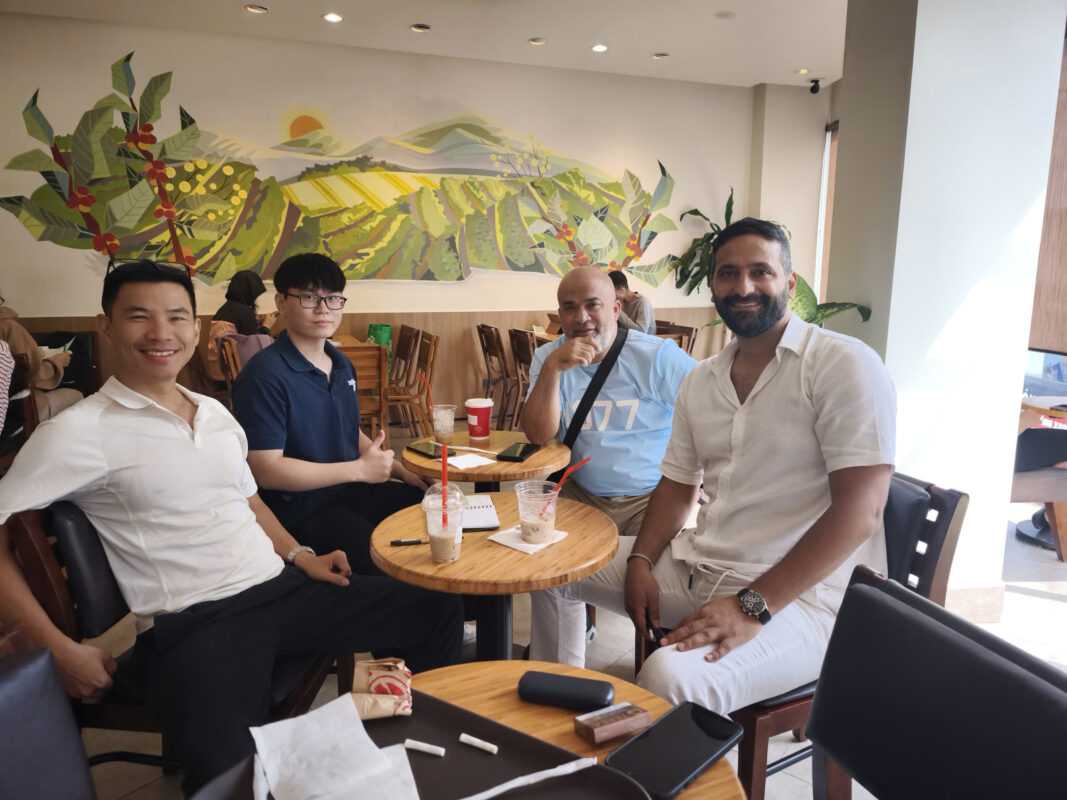
For businesses seeking a Vietnam coconut exporter, VIA offers a sourcing relationship centered on Vietnamese-origin coconut products, export coordination, and a range of product options.
A Focus on Coconut Products
VIA’s specialization helps buyers explore multiple coconut categories, from fresh coconuts to processed ingredients, through a supplier familiar with the requirements of international B2B trade.
Supply Coordination for Bulk Buyers
Importers and manufacturers need clear communication about quantity, specifications, availability, packaging, and lead times. VIA works with buyers to establish these details before orders are confirmed.
Actual order capacity and delivery schedules should be verified for each product and shipment.
Flexible Product and Packaging Options
Different applications require different product formats. VIA can discuss suitable options for fresh coconut presentation, dried coconut specifications, and beverage packaging or private-label projects where available.
A Long-Term Partnership Approach
Successful B2B sourcing depends on transparent communication, realistic commitments, consistent specifications, and timely handling of issues.
VIA aims to build long-term relationships by aligning its offerings with buyer requirements and coordinating the practical details of export orders.
For importers seeking to diversify their supply base or manufacturers looking for Vietnamese coconut ingredients, a detailed product inquiry is the most effective way to evaluate whether VIA is the right fit.
Frequently Asked Questions About Vietnam International Agriculture
What Is Vietnam International Agriculture?
Vietnam International Agriculture Co., Ltd. (VIA) is a Vietnamese agricultural export company specializing in coconut products and selected agricultural commodities for international B2B buyers.
What Products Does VIA Supply?
VIA’s product portfolio includes fresh coconuts, desiccated coconut, coconut powder, coconut water, coconut oil, and other coconut-derived products. Availability and specifications should be confirmed for each order.
Where Does VIA Source Its Coconut Products?
VIA focuses on Vietnamese coconut products, with sourcing connected to Ben Tre and the wider Mekong Delta, one of the country’s principal coconut-growing regions.
Does VIA Offer OEM or Private-Label Solutions?
VIA supports customized packaging and OEM or private-label opportunities for suitable product categories. Buyers should discuss the specific product, packaging format, formulation requirements, and commercial terms directly with the company.
How Can Importers Request a Quotation?
Buyers can contact VIA through its official website at https://vietnam-coconut.com/. To receive a more accurate quotation, provide the required product, specifications, estimated order volume, packaging preferences, destination country, and expected delivery timeline.
Conclusion
Vietnam International Agriculture represents an export-focused connection between Vietnam’s coconut-growing resources and the needs of international food and beverage businesses. With a product portfolio spanning fresh coconuts, desiccated coconut, coconut powder, coconut water, and other coconut-derived products, VIA serves buyers looking for suitable Vietnamese-origin products and coordinated export support.
Its development over the past two years has focused on expanding product options, developing international market opportunities, and responding to the practical requirements of B2B procurement. The company’s stated milestone involving fresh coconut exports to New Zealand further reflects its ambition to introduce Vietnamese coconut products to international markets.
For importers, distributors, and food manufacturers, the next step is to evaluate product specifications, quality documentation, order capacity, packaging, and destination-market requirements. By establishing these details early, both parties can build a clearer foundation for a reliable and commercially sustainable sourcing relationship.
Looking for a Vietnamese coconut exporter for your next order? Visit VIA’s official website to explore its coconut products and discuss your sourcing requirements.
