

 Tiếng Việt
 中文 (中国)
Desiccated coconut powder import may seem straightforward, but global buyers face several hidden challenges when sourcing this ingredient across borders.
From quality inconsistencies to logistics risks, understanding these difficulties is essential for importers, wholesalers, and food manufacturers aiming to secure stable, high-quality supply.
Why Desiccated Coconut Powder Is in High Global Demand
Before diving into the obstacles, it’s important to know why imports keep increasing:
-
Clean-label and natural ingredient trend
-
Wide industrial usage
-
Long shelf life and versatile functionality
-
Growing global consumption of coconut-based foods
With rising demand, sourcing has become more competitive—and more complex.
Top Challenges in Desiccated Coconut Powder Import

Inconsistent Quality Between Suppliers
One of the biggest problems global buyers face is variation in quality, especially regarding:
-
Color (whiteness vs. yellowish batches)
-
Aroma strength
-
Particle size uniformity
-
Fat content accuracy
-
Moisture levels
-
Microbiological safety
Some factories offer mixed-grade batches, which cause issues in bakery, beverage, and food production lines.
Why it matters:
Even slight inconsistency can affect your final product’s taste, texture, stability, and market acceptance.
Microbial and Moisture Risks During Shipping
Desiccated coconut powder is sensitive to moisture. Long-distance shipments through humid regions can lead to:
-
Mold growth
-
Increased moisture content
-
Clumping or caking
-
Elevated total plate count
-
Rejected containers at import checkpoints
Improper drying or inadequate packaging (weak liners) makes the risk even higher.
Unclear Specifications & Mislabeling
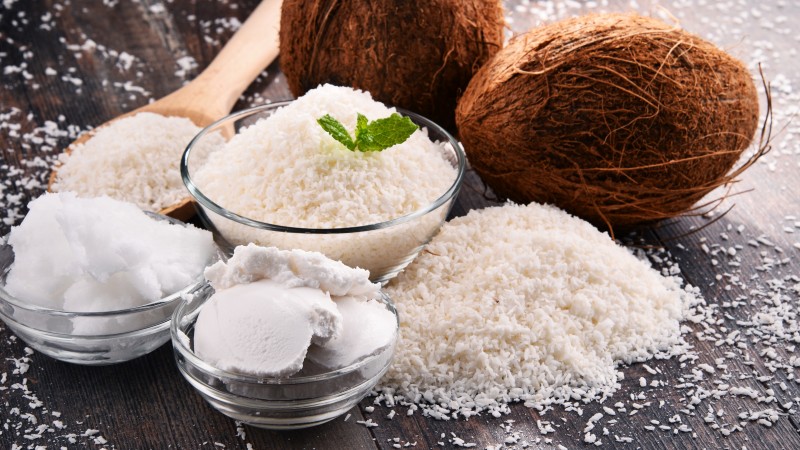
Many buyers struggle with confusing or incomplete specifications, such as:
-
“High-fat” that doesn’t meet the correct fat percentage
-
“Organic” claims without proper certification
-
Undefined particle size or inconsistent grading
-
Missing microbiological test results
This leads to unexpected quality issues upon arrival.
Price Fluctuations in Coconut-Producing Countries
Coconut is a seasonal crop affected by:
-
Weather conditions
-
Local supply shortages
-
Competition between domestic and export markets
-
Global oil & shipping cost fluctuations
Buyers often face volatile price trends, making long-term planning difficult.
Documentation Errors and Customs Delays
Desiccated coconut powder import requires specific documents, such as:
-
Certificate of origin
-
Phytosanitary certificate
-
Product analysis reports
-
HACCP/ISO compliance evidence
-
Packing list & commercial invoice
Even small errors—wrong HS code, incorrect lot number, missing stamps—can lead to:
-
Port delays
-
Customs penalties
-
Cargo hold-ups
-
Additional storage costs
Lack of Supplier Transparency
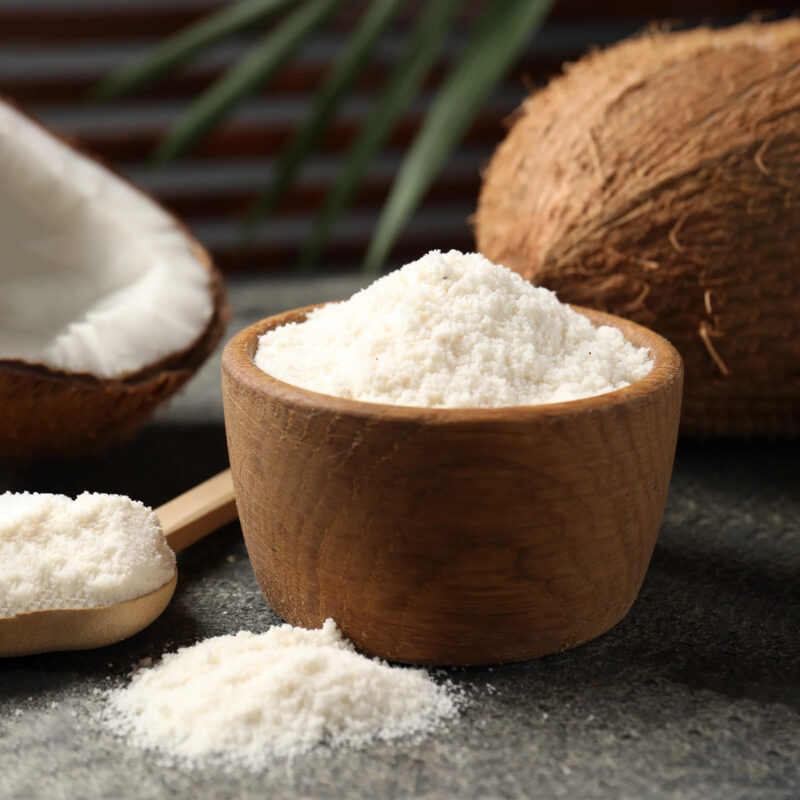
Some suppliers provide incomplete information about:
-
Raw material origin
-
Processing methods
-
Microbial control systems
-
Production capacity
-
Traceability
This makes it risky for brands that require consistency and safety for food production.
Difficulty Scaling Supply for Growing Demand
As buyers increase order volume, many suppliers struggle with:
-
Limited processing capacity
-
Seasonal raw material shortages
-
Longer lead times
-
Delayed production schedules
This creates serious supply chain instability for expanding brands.
How Global Buyers Can Overcome These Import Challenges
| Challenge | Solution for Importers |
|---|---|
| Quality inconsistency | Choose audited factories, request COA & batch samples |
| Moisture & microbial issues | Use suppliers with low-moisture drying systems & strong inner liners |
| Mislabeling or unclear specs | Demand detailed contracts and fat/moisture specifications |
| Price fluctuation | Consider long-term contracts or yearly price locks |
| Documentation problems | Work with suppliers experienced in exporting to your country |
| Lack of transparency | Require farm traceability and factory documentation |
| Capacity limitations | Partner with suppliers offering scalable production |
Why VIA – Vietnam International Agriculture Helps Buyers Avoid Import Difficulties
VIA Co., Ltd provides solutions to the most common problems faced in desiccated coconut powder import.
Consistent Raw Material from Vietnam’s Coconut Belt
We source from standardized farms in Ben Tre and Tra Vinh to ensure grade stability.
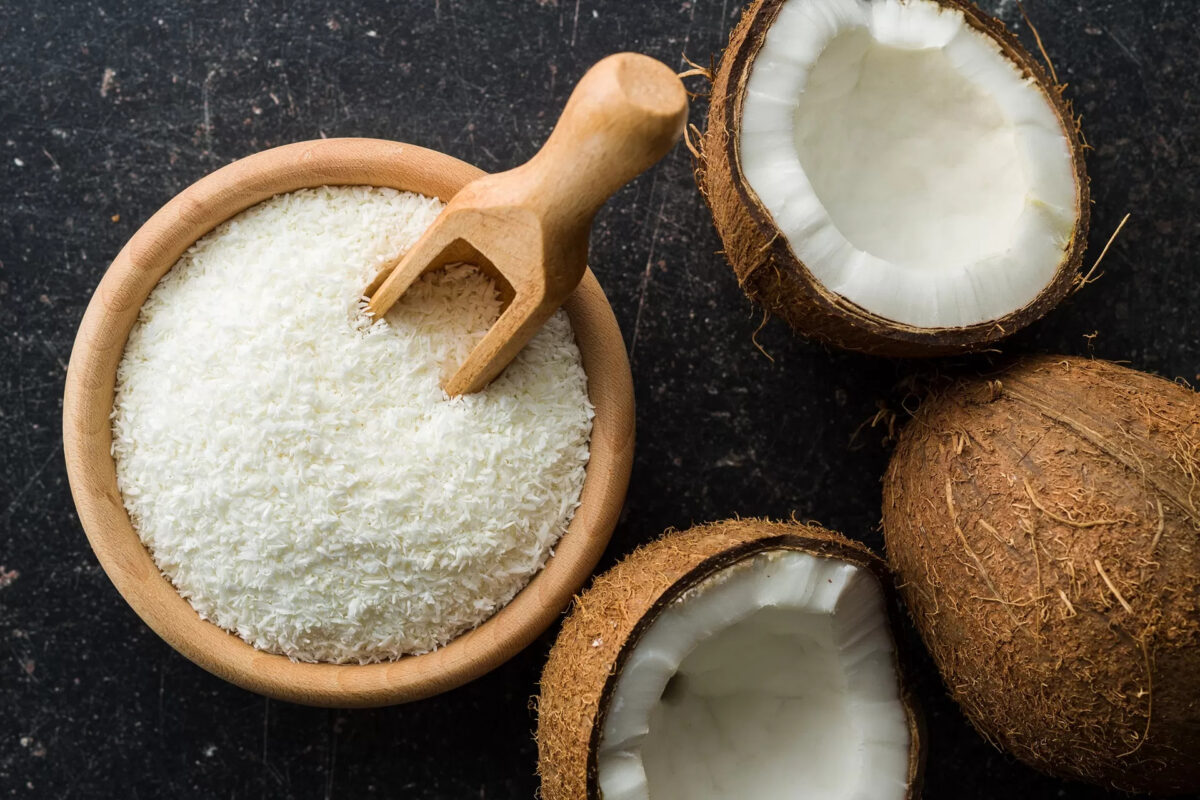
HACCP-Certified Manufacturing & Strict Quality Control
Our drying, sieving, and sanitation procedures maintain:
-
Low moisture
-
Clean microbiology
-
Natural whiteness
-
Consistent aroma
Clear and Accurate Specifications of Desiccated Coconut Powder Import
Every shipment includes:
-
COA
-
Moisture & fat analysis
-
Microbiological test results
-
Batch traceability
Strong Packaging for Long Shipping Routes
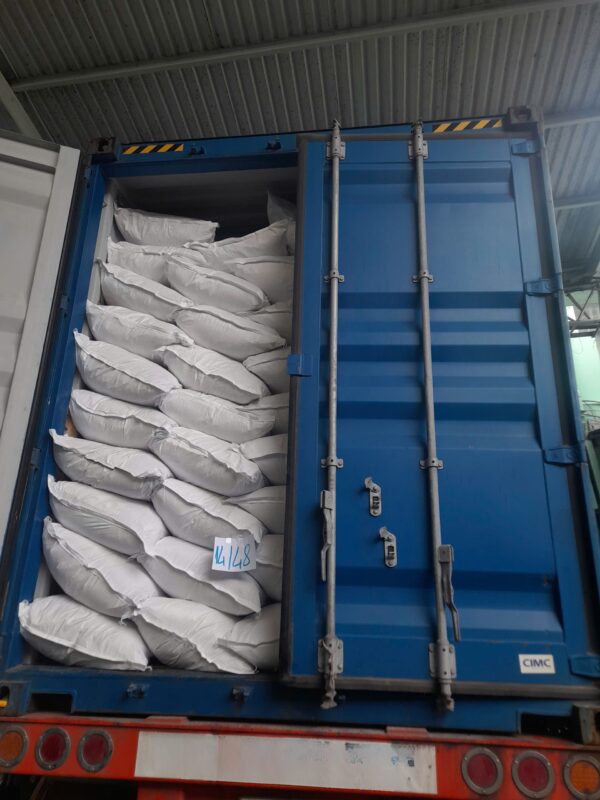
When Desiccated Coconut Powder Import – we use:
-
Multi-layer kraft bags
-
Food-grade PE inner liners to protect against humidity and contamination.
Reliable Export Documentation
VIA provides complete paperwork for markets including the EU, US, Middle East, Japan, and Korea.
High Capacity and Stable Year-Round Supply
We support both mid-size importers and large industrial manufacturers with scalable production.
Competitive Pricing with Long-Term Price Stability
Vietnam’s efficient processing allows buyers to avoid extreme market fluctuations.
Conclusion of the Hidden Challenges of Desiccated Coconut Powder Import
While desiccated coconut powder import presents many challenges—from quality variation to documentation issues—these risks can be managed by choosing a supplier with strong transparency, consistent production, and export expertise.
VIA Co., Ltd helps global buyers overcome these obstacles with reliable, high-quality coconut powder and a fully controlled supply chain.
Contact VIA Co., Ltd today:
- Email: admin@vietnam-coconut.com
- Tel / WhatsApp: (+84) 931 442 377
- LinkedIn: Vietnam Coconut
