

 Tiếng Việt
 中文 (中国)
Coco chips have become widely used in horticulture, hydroponic farming, greenhouse cultivation, orchid growing, and landscaping. Their natural origin and renewable supply make them an attractive solution for professional growers seeking eco-friendly growing substrates.
Countries with abundant coconut resources—such as Vietnam, Sri Lanka, India, and Indonesia—play an important role in the global supply chain of coco-based agricultural materials. Among these, Vietnam has gained recognition for producing high-quality coco chips thanks to its extensive coconut plantations, particularly in Ben Tre province, the coconut capital of the country.
This article explores everything you need to know about this product, including their production process, benefits, applications, and why they are becoming a preferred growing medium worldwide.
What Are Coco Chips?
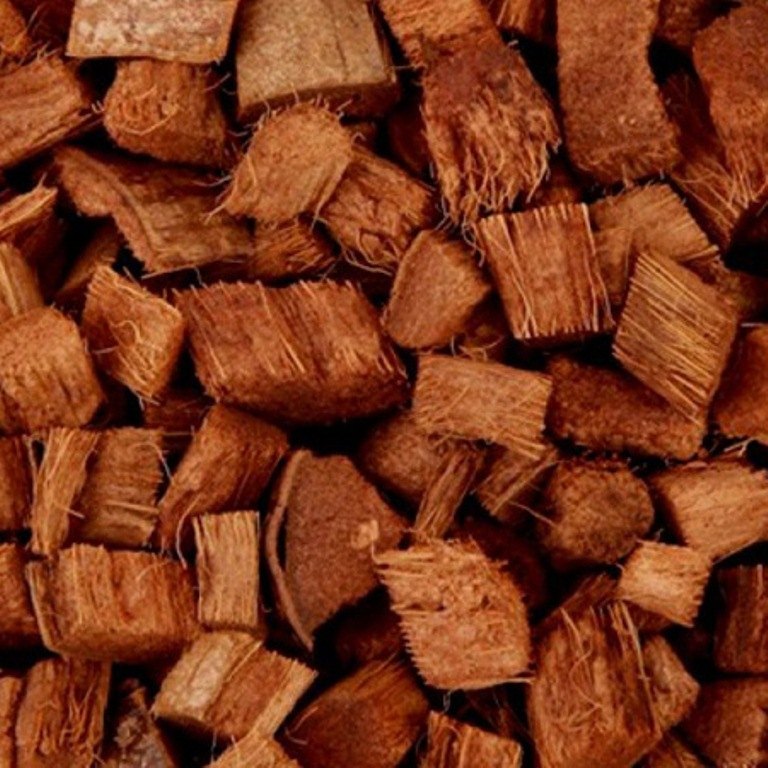
Coco chips are small pieces of coconut husk that are processed and prepared for use as a horticultural growing medium. The husk is the fibrous outer layer that surrounds the hard shell of the coconut fruit.
During coconut processing, the husk can be separated and converted into several useful products, including:
-
Coconut coir fiber
-
Cocopeat (coir pith)
-
Coconut husk chips
Among these materials, coco chips are valued for their coarse structure and ability to provide good airflow within the root zone of plants.
Unlike finer substrates such as cocopeat, which resemble soil-like powder, husk chips maintain a chunky texture that allows water to drain efficiently while still retaining enough moisture to support plant growth. This unique combination of aeration and hydration makes them suitable for a wide variety of crops.
Because the material originates from coconut by-products, it is also considered an environmentally friendly alternative to peat moss and other non-renewable substrates.
How Coconut Chips Are Produced
Producing high-quality coconut growing media requires several processing stages to ensure cleanliness, consistency, and safety for plants.
1. Collection of Coconut Husk
The process begins with the collection of husks after coconuts are harvested. Coconut-producing regions generate large volumes of husk as a by-product of the food and beverage industry.
Instead of being discarded, the husk is reused as raw material for agricultural substrates.
2. Cutting and Processing
Specialized machines cut the husk into small pieces. The size of these pieces may vary depending on the desired application, such as orchid cultivation or hydroponic growing systems.
3. Washing
The raw material is washed thoroughly to remove dust, salts, and natural residues. Washing is particularly important for agricultural applications because high salt levels can affect plant growth.
4. Drying
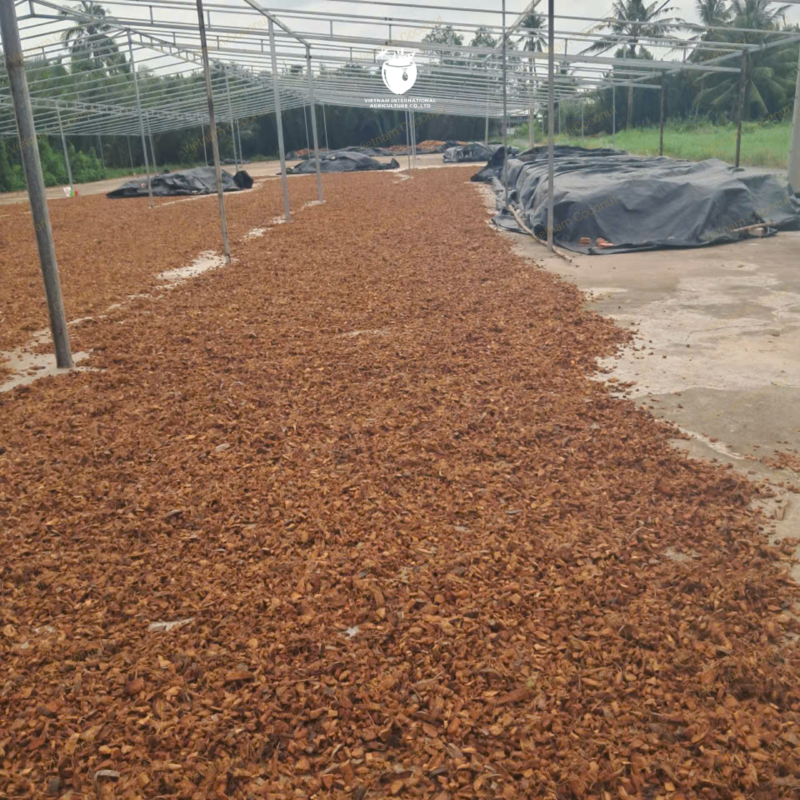
After washing, the material is dried either under natural sunlight or using controlled drying systems. Proper drying helps maintain product quality during storage and transportation.
5. Screening and Grading
The chips are screened and sorted according to size. Different grades are suitable for different horticultural applications.
6. Packaging
Finally, the processed material is packed into bags or compressed blocks for shipping to international markets.
This careful processing ensures that growers receive a reliable and high-quality coconut substrate.
Key Benefits of Coco Chips
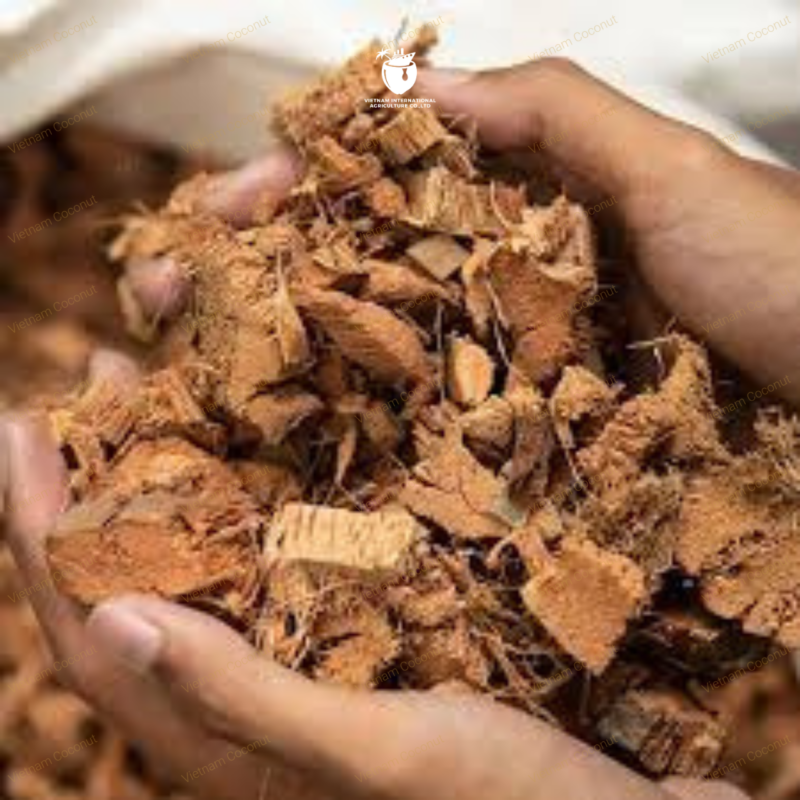
Growers choose coco-based substrates for several important reasons. These benefits make the material particularly attractive for commercial horticulture and modern farming systems.
Excellent Root Aeration
Healthy plant roots require oxygen to grow effectively. The coarse structure of coco chips creates natural spaces between the husk pieces, allowing air to circulate freely around the root zone.
Improved airflow helps prevent root diseases and encourages stronger plant development.
Balanced Water Retention
Another advantage of coconut husk substrates is their ability to maintain an ideal balance between water retention and drainage. While excess water can easily drain away, the material still holds enough moisture to support plant growth.
This characteristic helps reduce irrigation frequency and supports consistent plant hydration.
Long-Term Durability
Compared with many organic growing materials, coconut husk chips break down slowly. This durability allows them to remain stable for extended growing cycles, which is particularly beneficial for greenhouse crops and ornamental plants.
Sustainable and Renewable Resource
Coconut husk is a natural by-product of the coconut industry. Transforming it into agricultural substrates reduces waste and provides an environmentally responsible growing medium.
Unlike peat moss, which takes thousands of years to form, coconut-based materials are renewable and widely available.
Lightweight and Easy to Transport
Another practical advantage is the relatively low weight of coconut husk growing media compared with traditional soil. This reduces transportation costs and makes handling easier for growers and distributors.
Applications in Horticulture and Hydroponics
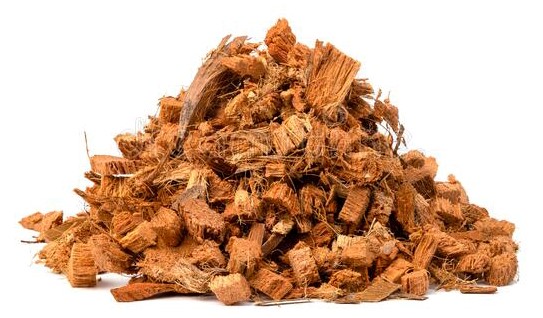
The versatility of coconut-based substrates allows them to be used across many agricultural sectors.
Orchid Cultivation
Orchids naturally grow on tree bark and require strong root aeration. Coconut husk chips provide a similar environment, making them one of the most popular growing media for orchid growers.
Hydroponic Farming
In hydroponic systems, plants grow without soil and rely on substrates that support roots while allowing nutrient solutions to circulate.
The structure of coco chips makes them well suited for hydroponic cultivation because they combine drainage with moisture retention.
Greenhouse Vegetable Production
Greenhouses often use coconut-based substrates to grow crops such as tomatoes, cucumbers, and peppers. These materials help maintain consistent moisture levels and improve root health.
Plant Nurseries
Nurseries frequently use coconut growing media for plant propagation and young seedlings. The material encourages root development while reducing the risk of soil-borne diseases.
Landscaping and Mulching
Beyond horticulture, coconut husk products can also be used as natural mulch in landscaping projects. They help regulate soil temperature and retain moisture.
Coco Chips vs Cocopeat: Understanding the Difference
Although both materials come from coconut husk, they have different properties and uses.
| Feature | Coco Chips | Cocopeat |
|---|---|---|
| Texture | Coarse pieces | Fine powder |
| Aeration | High | Moderate |
| Water retention | Medium | Very high |
| Best use | Orchids, hydroponics | Seed starting, potting mixes |
Many growers combine these two materials to create a balanced growing substrate that offers both aeration and moisture retention.
Why Coco Chips Media Are Increasing in Demand
Several global trends are driving the rising demand for coconut-based agricultural substrates.
Growth of Hydroponic Agriculture
Hydroponic farming is expanding rapidly as producers seek higher yields and efficient water usage. Coconut-based substrates are ideal for these systems.
Environmental Sustainability
Consumers and agricultural businesses are increasingly focused on sustainable production. Renewable substrates derived from coconut husk support environmentally responsible farming.
Expansion of Greenhouse Cultivation
Greenhouse farming continues to grow worldwide, increasing the demand for consistent and reliable growing media.
Vietnam’s Growing Role in Coconut Substrate Production
Vietnam has become an important exporter of coconut products thanks to its favorable climate and large plantation areas.
Ben Tre province in southern Vietnam is widely recognized as the center of the country’s coconut industry. Millions of coconut trees grow in this region, providing a stable supply of raw materials for processing facilities.
In recent years, Vietnamese producers have invested heavily in technology and quality control systems to meet international agricultural standards. As a result, the country is now a major supplier of coconut-based substrates to markets in Europe, the Middle East, and Asia.
VIA – A Reliable Coco Chips Media Supplier
VIA Co., Ltd (Vietnam International Agriculture) specializes in exporting high-quality coconut products sourced from Ben Tre.
With strong connections to local coconut farmers and processing facilities, VIA ensures consistent quality and reliable supply for global customers.
Our coco chips are carefully processed to meet international horticultural standards. The production process focuses on cleanliness, proper washing, and controlled drying to ensure the material performs effectively for plant cultivation.
Key features include:
-
Natural coconut husk material
-
Multiple size grades available
-
Clean and well-processed substrate
-
Suitable for horticulture and hydroponics
-
Efficient packaging for export markets
By working closely with growers, distributors, and agricultural companies worldwide, VIA helps deliver sustainable coconut-based growing media to international markets.
The Future of Coconut-Based Growing Media
As global agriculture continues to prioritize sustainability and resource efficiency, coconut-derived substrates are expected to play an increasingly important role.
Growers are looking for materials that support healthy plants while minimizing environmental impact. Coconut husk substrates meet these requirements by offering durability, performance, and renewability.
Innovations in hydroponic farming and greenhouse cultivation will likely further increase demand for materials such as coco chips, cocopeat, and coconut coir fiber.
Countries with strong coconut industries—including Vietnam—are well positioned to support this growing global market.
Conclusion
Natural substrates derived from coconut husk have become essential tools in modern horticulture. Their ability to provide aeration, moisture retention, and sustainability makes them valuable alternatives to traditional soil-based growing media.
Among the various coconut-derived materials available, coco chips offer a versatile solution suitable for orchids, hydroponic systems, greenhouse crops, and landscaping.
With abundant coconut resources and advanced processing capabilities, Vietnam has emerged as a reliable source of coconut growing media for international markets. Companies such as VIA Co., Ltd continue to supply high-quality products from the coconut-rich region of Ben Tre to customers around the world.
As agriculture continues to evolve toward more sustainable practices, coconut-based substrates will remain an important part of the future of farming.
📩 Email: admin@vietnam-coconut.com
📞 Tel / WhatsApp: (+84) 931 442 377
🔗 LinkedIn: Vietnam Coconut
