

 Tiếng Việt
 中文 (中国)
Coconut chips are rapidly becoming one of the most popular plant-based snacks and versatile food toppings worldwide. Known for their natural sweetness, satisfying crunch, and clean-label appeal, coconut chips are now widely used in everything from healthy snacking to premium food applications.
Whether enjoyed straight from the pack or sprinkled over smoothie bowls, desserts, and cereals, coconut chips offer a perfect balance of flavor, nutrition, and functionality.
As global consumers shift toward healthier eating habits and natural ingredients, coconut chips have evolved from a niche product into a mainstream food trend—serving both retail and industrial markets.
What Are Coconut Chips?
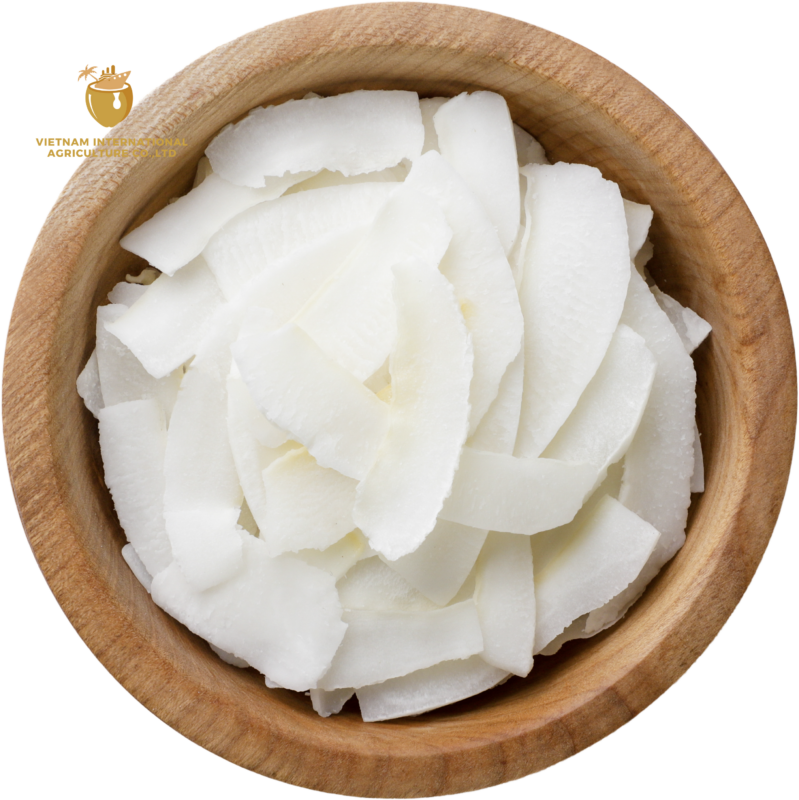
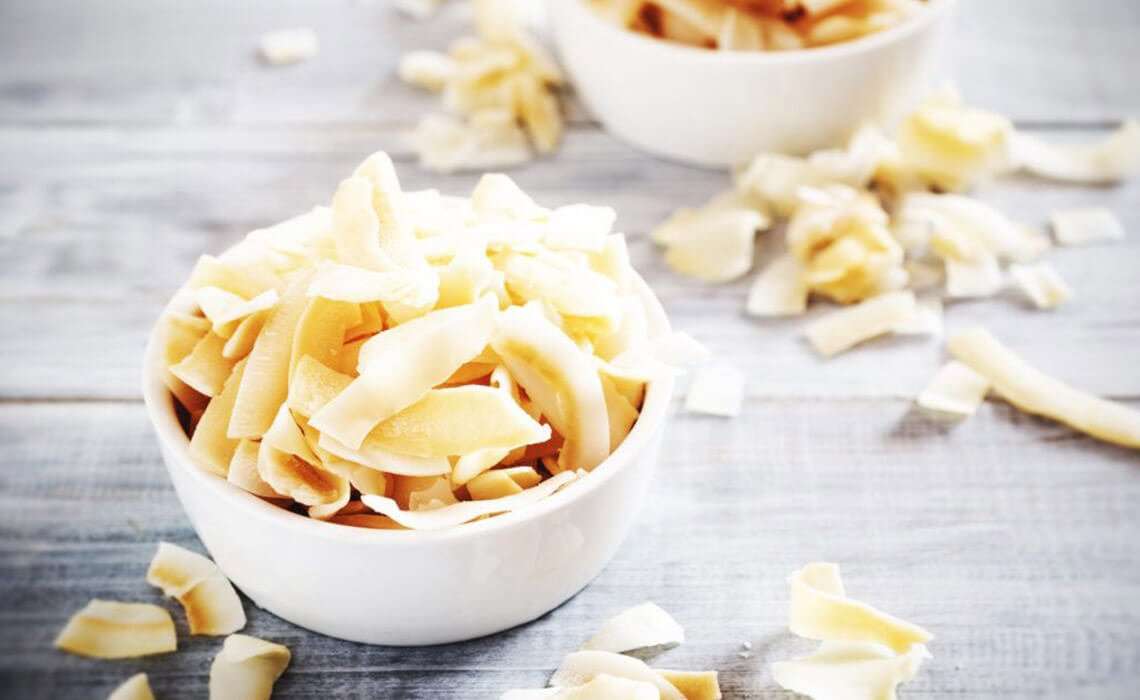
Coconut chips are made from fresh coconut meat that is sliced into thin or thick pieces and then dried or lightly toasted. Unlike desiccated coconut, which is finely grated, coconut chips retain their large, visible structure, making them ideal for snacking and decorative use.
Key Characteristics
- Crunchy texture
- Naturally sweet coconut flavor
- Light golden or white color
- High fiber and healthy fat content
- Minimal processing (often just slicing and drying)
Coconut chips can be produced in different forms, including:
- Raw (unsweetened, unroasted)
- Toasted (enhanced flavor and crunch)
- Flavored (e.g., honey, chocolate, salted)
Why Coconut Chips Are Gaining Global Popularity
1. Health-Conscious Snacking Trend
Consumers are increasingly looking for snacks that are:
- Natural and minimally processed
- Free from artificial additives
- Plant-based and vegan-friendly
Coconut chips meet all these criteria, making them a preferred alternative to traditional fried snacks.
2. Clean-Label Appeal
Coconut chips are often made with just one ingredient: coconut. This simplicity aligns with the clean-label movement, where consumers prefer recognizable, transparent ingredients.
3. Versatility Across Food Categories
Beyond snacking, coconut chips are widely used as:
- Toppings
- Mix-ins
- Decorative ingredients
This dual functionality makes them attractive to both consumers and food manufacturers.
Nutritional Benefits of Coconut Chips
Coconut chips are not only delicious but also provide several nutritional advantages.
Healthy Fats
Coconut chips contain medium-chain triglycerides (MCTs), which are:
- Easily digested
- Quickly converted into energy
Dietary Fiber
High fiber content supports:
- Digestive health
- Satiety (feeling full longer)
Natural Energy Source
Coconut chips provide sustained energy without the need for added sugars.
Gluten-Free and Vegan
They are naturally:
- Gluten-free
- Dairy-free
- Suitable for plant-based diets
Types of Coconut Chips
1. Raw Coconut Chips
- No roasting
- Mild flavor
- Softer texture
Best for: health-focused consumers and natural food products.
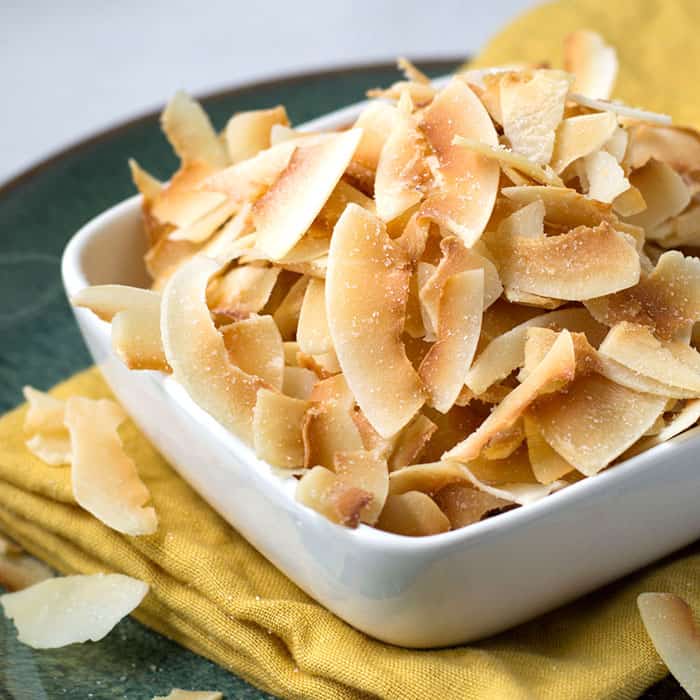
2. Toasted Coconut Chips
- Lightly baked or roasted
- Enhanced flavor and crunch
- Slight caramelization
Best for: snacks, toppings, desserts.
3. Sweetened Coconut Chips
- Coated with sugar or syrup
- Stronger flavor
- More indulgent
Best for: retail snacks and dessert toppings.
4. Flavored Coconut Chips
Common flavors include:
- Chocolate
- Honey
- Salted
- Spicy
Best for: snack innovation and premium product lines.
Coconut Chips as a Healthy Snack
A Better Alternative to Processed Snacks
Compared to chips made from potatoes or corn, coconut chips are:
- Less processed
- Free from deep frying (in most cases)
- Naturally flavorful
Convenience and Portability
Coconut chips are:
- Easy to carry
- Ready-to-eat
- Suitable for on-the-go lifestyles
Suitable for Multiple Diets
They fit into:
- Vegan diets
- Keto-friendly diets (unsweetened versions)
- Gluten-free lifestyles
Coconut Chips as a Delicious Topping
One of the biggest strengths of coconut chips is their versatility as a topping.
1. Smoothie Bowls
Adds:
- Crunch
- Visual appeal
- Natural sweetness
2. Breakfast Cereals and Granola
Enhances:
- Texture contrast
- Nutritional value
- Flavor complexity
3. Yogurt and Dairy Alternatives
Perfect for:
- Plant-based yogurt
- Greek yogurt
- Breakfast parfaits
4. Desserts and Ice Cream
Used as:
- Garnish
- Inclusion
- Flavor enhancer
5. Bakery Products
Applied in:
- Cakes
- Muffins
- Cookies
Coconut chips provide both visual and textural enhancement.
How Coconut Chips Are Produced
1. Raw Coconut Selection
High-quality mature coconuts are chosen for:
- Thick meat
- Strong flavor
- Optimal oil content
2. Dehusking and Shelling
The outer layers are removed to extract the white coconut kernel.
3. Slicing
The coconut meat is sliced into:
- Thin chips
- Thick flakes
The slicing process determines the final texture.
4. Drying or Roasting
Coconut chips are:
- Air-dried
- Oven-dried
- Lightly toasted (for flavor)
5. Packaging
Packed in moisture-resistant packaging to preserve:
- Crunchiness
- Freshness
- Shelf life
Quality Standards for Coconut Chips
Moisture Content
- Typically ≤3%
- Ensures long shelf life
Color
- Natural white to golden
- No discoloration
Texture
- Crisp and crunchy
- No sogginess
Flavor
- Clean coconut taste
- No rancidity
Packaging and Storage of Coconut Chips
Packaging Types
- Retail pouches
- Bulk kraft bags with liners
Storage Conditions
- Cool and dry environment
- Avoid humidity and sunlight
Shelf Life
- Up to 12 months when properly stored
Global Market Trends for Coconut Chips
Growth in Healthy Snacking
Coconut chips are part of the broader shift toward:
- Natural snacks
- Functional foods
Rise of Plant-Based Diets
Demand for vegan and dairy-free toppings continues to increase.
Premiumization of Food Products
Consumers are willing to pay more for:
- High-quality ingredients
- Unique textures and flavors
Coconut Chips in Food Manufacturing
Food manufacturers use coconut chips in:
Snack Products
- Trail mixes
- Snack packs
Cereal and Granola
- Adds crunch and visual appeal
Dessert Industry
- Ice cream inclusions
- Premium toppings
Retail Products
- Packaged coconut snacks
- Flavored chip varieties
Common Challenges in Coconut Chips Supply
Moisture Sensitivity
Improper storage can lead to:
- Loss of crunch
- Mold growth
Breakage During Transport
Chips can break if not properly packed.
Quality Variability
Inconsistent slicing and drying affect:
- Texture
- Appearance
How to Choose High-Quality Coconut Chips
Buyers should evaluate:
- Uniform size and shape
- Clean color
- Crisp texture
- Consistent flavor
- Proper packaging
Sampling before bulk purchase is highly recommended.
Why Coconut Chips Are Ideal for Private Label Brands
Coconut chips are a strong product for private label because they offer:
- Simple ingredient list
- High consumer demand
- Easy branding opportunities
- Versatility across markets
Brands can differentiate through:
- Flavor innovation
- Packaging design
- Health positioning
Sustainability and Coconut Chips
Coconut-based products are often associated with:
- Renewable agriculture
- Minimal waste (whole coconut utilization)
Sustainable sourcing is becoming a key factor for buyers and consumers.
Future Outlook of Coconut Chips Market
The coconut chips market is expected to grow due to:
- Increasing health awareness
- Expansion of plant-based foods
- Rising demand for natural snacks
- Growth in global food trade
Innovation in flavors and formats will continue to drive market expansion.
Conclusion
Coconut chips have evolved into a versatile, high-demand product that bridges the gap between healthy snacking and premium food applications. Their natural flavor, crunchy texture, and clean-label appeal make them suitable for a wide range of uses—from standalone snacks to decorative toppings in modern cuisine.
For consumers, coconut chips offer a nutritious and satisfying alternative to traditional snacks. For food manufacturers and importers, they represent a scalable, adaptable ingredient aligned with current market trends.
As demand continues to rise globally, coconut chips are set to remain a key player in the future of healthy, plant-based, and functional foods.
Contact:
📩 Email: admin@vietnam-coconut.com
📞 Tel / WhatsApp: (+84) 931 442 377
🔗 LinkedIn: Vietnam Coconut
