

 Tiếng Việt
 中文 (中国)
Desiccated coconut flakes grade is one of the most critical factors global buyers must understand when sourcing coconut ingredients for food manufacturing. While desiccated coconut flakes may appear similar at first glance, differences in grade directly affect texture, flavor, shelf life, food safety, and application performance.
For importers, distributors, and manufacturers, selecting the correct grade is essential to ensure product consistency, regulatory compliance, and cost efficiency.
This comprehensive guide explains what desiccated coconut flakes grades are, how they are classified, how grading affects applications, and what buyers should evaluate when importing from major coconut-exporting countries.
What Are Desiccated Coconut Flakes?
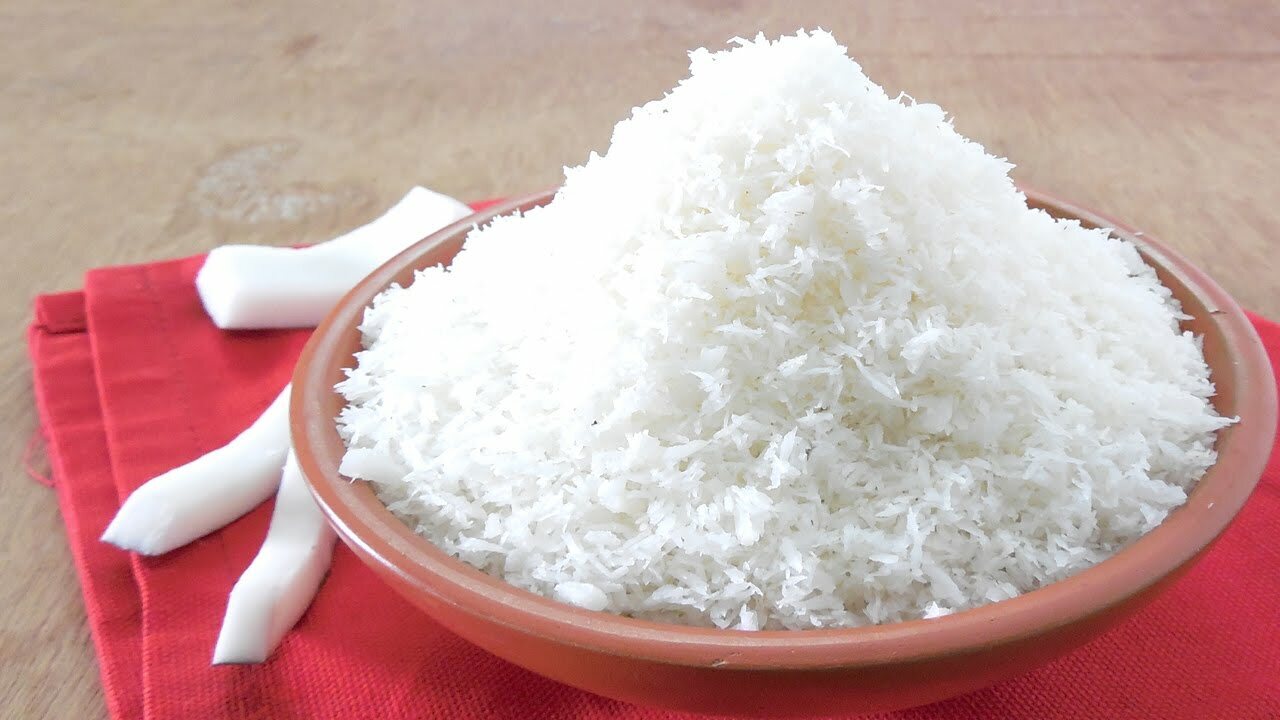
Desiccated coconut flakes are produced from fresh coconut kernel that has been cleaned, grated or flaked, and dried to a low moisture level. Unlike coconut powder, flakes retain a visible structure and texture, making them ideal for both functional and decorative food applications.
Key characteristics of desiccated coconut flakes include:
-
Low moisture content (typically ≤3%)
-
Natural coconut aroma
-
White to off-white color
-
Defined particle shape and size
The grade determines how these characteristics are controlled and standardized.
Why Desiccated Coconut Flakes Grade Matters in Global Trade
Many buyers focus on price first, but experienced importers understand that grade consistency is what prevents quality disputes and production problems.
Impact on Food Manufacturing
Different grades influence:
-
Absorption of moisture and fats
-
Visual appearance in finished products
-
Mouthfeel and texture
-
Mixing behavior in automated lines
Impact on Shelf Life
Higher-grade flakes have:
-
Lower moisture variation
-
Reduced microbial risk
-
Better resistance to spoilage during shipping
Impact on Regulatory Compliance
Food safety authorities evaluate coconut products based on:
-
Microbiological limits
-
Foreign matter presence
-
Processing hygiene
Correct grading helps meet these requirements.
How Desiccated Coconut Flakes Are Classified
Desiccated coconut flakes grade classification is primarily based on particle size, cut style, moisture level, and purity. While naming conventions may vary slightly between exporting countries, international buyers generally recognize several standard grades.
Main Desiccated Coconut Flakes Grades Explained
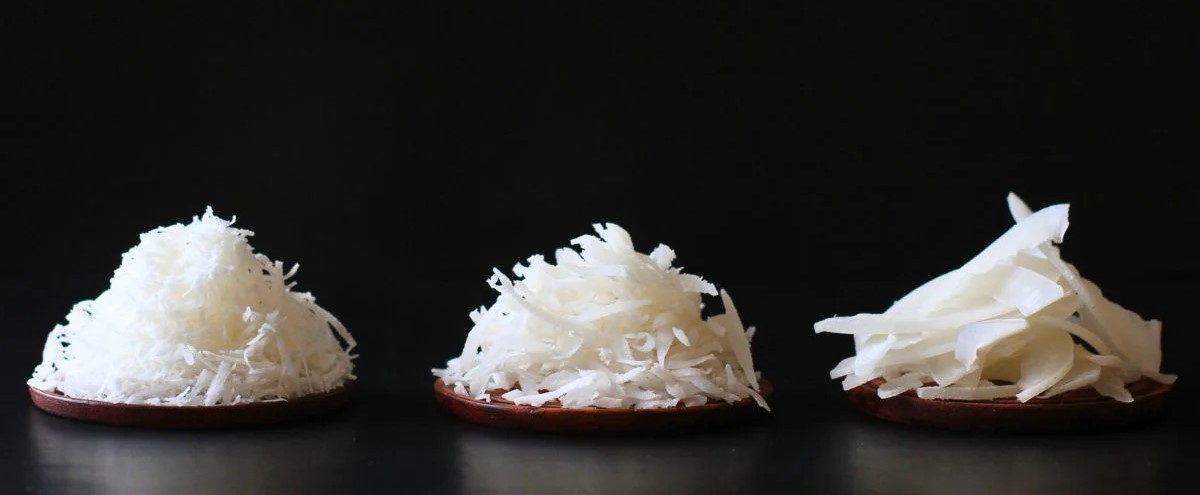
1. Fine Grade Desiccated Coconut Flakes
Description:
Fine grade flakes are small, thin coconut pieces that are shorter than standard flakes but larger than powder.
Typical Characteristics:
-
Uniform small flake size
-
Soft texture
-
Clean white appearance
-
Even drying
Common Applications:
-
Bakery fillings
-
Snack bars
-
Breakfast cereals
-
Coatings and toppings
Fine grade is popular due to its versatility and consistent performance.
2. Medium Grade Desiccated Coconut Flakes
Description:
Medium grade flakes have a more visible structure, offering a balance between texture and ease of processing.
Typical Characteristics:
-
Medium-length flakes
-
Moderate thickness
-
Good visual definition
-
Balanced moisture absorption
Common Applications:
-
Cakes and muffins
-
Biscuits and cookies
-
Granola and muesli
-
Chocolate inclusions
Medium grade is often chosen when both appearance and functionality matter.
3. Coarse Grade Desiccated Coconut Flakes
Description:
Coarse grade flakes are larger and thicker, providing a strong visual and textural presence.
Typical Characteristics:
-
Large flake size
-
Firm texture
-
High visual appeal
-
Slightly lower bulk density
Common Applications:
-
Decorative toppings
-
Artisan bakery
-
Premium desserts
-
Ice cream inclusions
Coarse grade flakes are ideal when coconut is meant to be seen and felt.
4. Extra Long Cut (Fancy Flakes)
Description:
Extra long cut flakes are premium flakes produced with specialized cutting equipment.
Typical Characteristics:
-
Long, thin coconut strips
-
Elegant appearance
-
Uniform shape
-
Premium white color
Common Applications:
-
Gourmet desserts
-
High-end bakery products
-
Retail coconut toppings
-
Premium snack products
This grade is often used for branding and visual differentiation.
5. Chips / Large Cut Flakes
Description:
Coconut chips are thicker and larger than traditional flakes, sometimes lightly toasted.
Typical Characteristics:
-
Thick slices
-
Crunchy texture
-
Strong coconut aroma
-
Higher oil perception
Common Applications:
-
Snack products
-
Granola toppings
-
Plant-based snacks
-
Retail coconut chips
Though sometimes categorized separately, chips are closely related to flake grading.
Desiccated Coconut Flakes Grade vs Fat Content
While grade primarily refers to particle size and cut, fat content also plays a supporting role.
High-Fat Flakes (60–65%)
-
Rich flavor
-
Softer mouthfeel
-
Preferred for premium bakery and confectionery
Medium-Fat Flakes (45–55%)
-
Balanced performance
-
Widely used across applications
Low-Fat Flakes (35–45%)
-
Better shelf stability
-
Used in health-focused products
Buyers should align fat content with the chosen grade and application.
Moisture Standards Across Desiccated Coconut Flakes Grades
Regardless of grade, moisture control is essential.
Industry Standard
-
Moisture ≤3%
Why Moisture Matters
-
Prevents mold growth
-
Reduces microbial risk
-
Improves shelf life
-
Minimizes clumping
Higher grades typically have tighter moisture tolerances.
Color Standards and Visual Quality by Grade
Color is a major quality indicator, especially for flakes used as toppings.
Preferred Color
-
Natural white
-
Free from yellowing or browning
-
No chemical bleaching residues
Higher flake grades require:
-
Better raw material selection
-
Controlled drying conditions
Production Process and Its Impact on Flake Grade
Raw Coconut Selection
Mature coconuts with thick kernel produce better flakes.
Cutting Technology
Different blades and cutting machines determine:
-
Flake length
-
Thickness
-
Uniformity
Drying Control
Uneven drying causes:
-
Color variation
-
Texture inconsistency
-
Quality downgrade
Sieving and Grading
Final grading removes:
-
Broken flakes
-
Oversized pieces
-
Powder fines
Food Safety and Hygiene Requirements for All Grades
Desiccated coconut flakes are classified as ready-to-use food ingredients, meaning hygiene standards must be high.
Key safety controls include:
-
HACCP-based processing
-
Foreign matter detection
-
Microbiological testing
-
Traceability systems
Powder contamination is less visible in flakes, making inspections critical.
Common Applications by Desiccated Coconut Flakes Grade
| Flake Grade | Best Applications |
|---|---|
| Fine | Bakery fillings, bars, cereals |
| Medium | Cakes, cookies, granola |
| Coarse | Toppings, desserts |
| Extra long cut | Premium bakery, retail packs |
| Chips | Snacks, granola toppings |
Matching grade to application improves performance and cost control.
Packaging Considerations by Flake Grade
Bulk Packaging
-
20–25 kg kraft bags with PE liner
-
Used for industrial buyers
Retail Packaging
-
Smaller packs
-
Requires visual consistency
-
Higher grade flakes preferred
Packaging must protect against moisture and compression.
Storage and Shelf Life of Desiccated Coconut Flakes
Recommended Storage
-
Cool, dry warehouse
-
Low humidity
-
Away from direct sunlight
Shelf Life
-
Typically up to 12 months
-
Higher grades maintain appearance longer
Improper storage can downgrade even premium flakes.
Major Exporting Countries and Grade Consistency
Vietnam
-
Growing reputation for consistent grading
-
Competitive pricing
-
Flexible customization
Sri Lanka
-
Traditional exporter
-
Strong quality perception
-
Higher cost
Indonesia & Philippines
-
Large volumes
-
Quality varies by supplier
Buyers should evaluate supplier capability, not just origin.
Common Buyer Mistakes When Choosing Flake Grade
-
Selecting grade based on price only
-
Ignoring moisture and fat specs
-
Not testing samples
-
Overlooking packaging quality
-
Assuming all “flakes” perform the same
These mistakes often lead to reformulation issues.
How Importers Should Specify Desiccated Coconut Flakes Grade
Clear specifications should include:
-
Flake grade name
-
Particle size range
-
Fat content
-
Moisture limit
-
Color standard
-
Packaging type
Written specs reduce disputes and delays.
Quality Inspection Tips for Importers
Before shipment:
-
Approve pre-shipment samples
-
Review COA results
-
Confirm packaging specs
After arrival:
-
Check moisture
-
Inspect color and breakage
-
Store immediately under proper conditions
Future Trends in Desiccated Coconut Flakes Grades
Market trends include:
-
Higher demand for premium visual grades
-
Growth in clean-label and natural ingredients
-
Expansion of plant-based and vegan foods
-
Increased use in snack and breakfast categories
Suppliers capable of consistent grading will gain advantage.
VIA Co., Ltd – A Trusted Exporter of Graded Desiccated Coconut Flakes
VIA Co., Ltd is a Vietnam-based exporter specializing in desiccated coconut flakes grade customization for global buyers, food manufacturers, and private-label brands. With direct access to coconut-growing regions and modern processing facilities, VIA delivers consistent flake grades that meet international quality and safety expectations.

Expertise in Desiccated Coconut Flakes Grade Control
VIA understands that each desiccated coconut flakes grade serves a different market and application. Our export team works closely with buyers to define precise specifications, including:
-
Flake cut: fine, medium, coarse, extra-long, or chips
-
Particle size uniformity
-
Fat content options (low fat, medium fat, high fat)
-
Moisture control (≤3%)
-
Natural white color without chemical bleaching
This strict grading control ensures stable performance in bakery, confectionery, snack, and food-processing applications.
Export-Ready Quality for Global Markets
All VIA desiccated coconut flakes grades are produced under a controlled hygienic process aligned with international food safety standards such as HACCP and ISO-based systems. Each shipment is accompanied by complete export documentation, including:
-
Certificate of Analysis (COA)
-
Phytosanitary Certificate
-
Certificate of Origin
-
Commercial invoice and packing list
This allows buyers to import smoothly into markets such as Europe, the Middle East, Asia, and North America.
Flexible Packaging and Private Label Support
To meet diverse buyer needs, VIA offers multiple export packaging options for desiccated coconut flakes grade products:
-
Bulk packaging (20–25 kg kraft bags with inner liner)
-
Customized packaging upon request
-
OEM and private label support for retail-ready flakes
Whether supplying large-scale food manufacturers or branded distributors, VIA adapts packaging and labeling to each market requirement.
Why Global Buyers Choose VIA for Desiccated Coconut Flakes Grade
Global importers partner with VIA because we provide:
-
Reliable and consistent grading across shipments
-
Competitive pricing from Vietnam’s strong coconut supply base
-
Flexible MOQ and contract volumes
-
Responsive export communication and logistics coordination
By combining product quality, grading accuracy, and export experience, VIA Co., Ltd positions itself as a dependable supplier of desiccated coconut flakes grade products in the global market.
Conclusion
Understanding desiccated coconut flakes grade is essential for importers and food manufacturers seeking consistent quality, regulatory compliance, and optimal product performance.
From fine to coarse, each grade serves a distinct purpose, and choosing the right one can significantly impact flavor, appearance, shelf life, and production efficiency.
By aligning grade selection with application requirements and sourcing from reliable exporters, buyers can reduce risk and build long-term supply stability in the global coconut market.
Contact:
- Email: admin@vietnam-coconut.com
- Tel / WhatsApp: (+84) 931 442 377
- LinkedIn: Vietnam Coconut
